

AC Repair in Orlando, FL
AC Repair in Orlando, FL
When your air conditioner struggles during Orlando heat and humidity, it affects comfort, sleep, and indoor air quality. AC repair in Orlando, FL focuses on restoring reliable cooling quickly and preventing recurring breakdowns that are common in Central Florida homes. Orlando’s long, hot summers, high humidity, and frequent thunderstorms place extra demand on HVAC systems, so timely diagnosis and professional repair are essential to avoid bigger failures and higher utility bills.
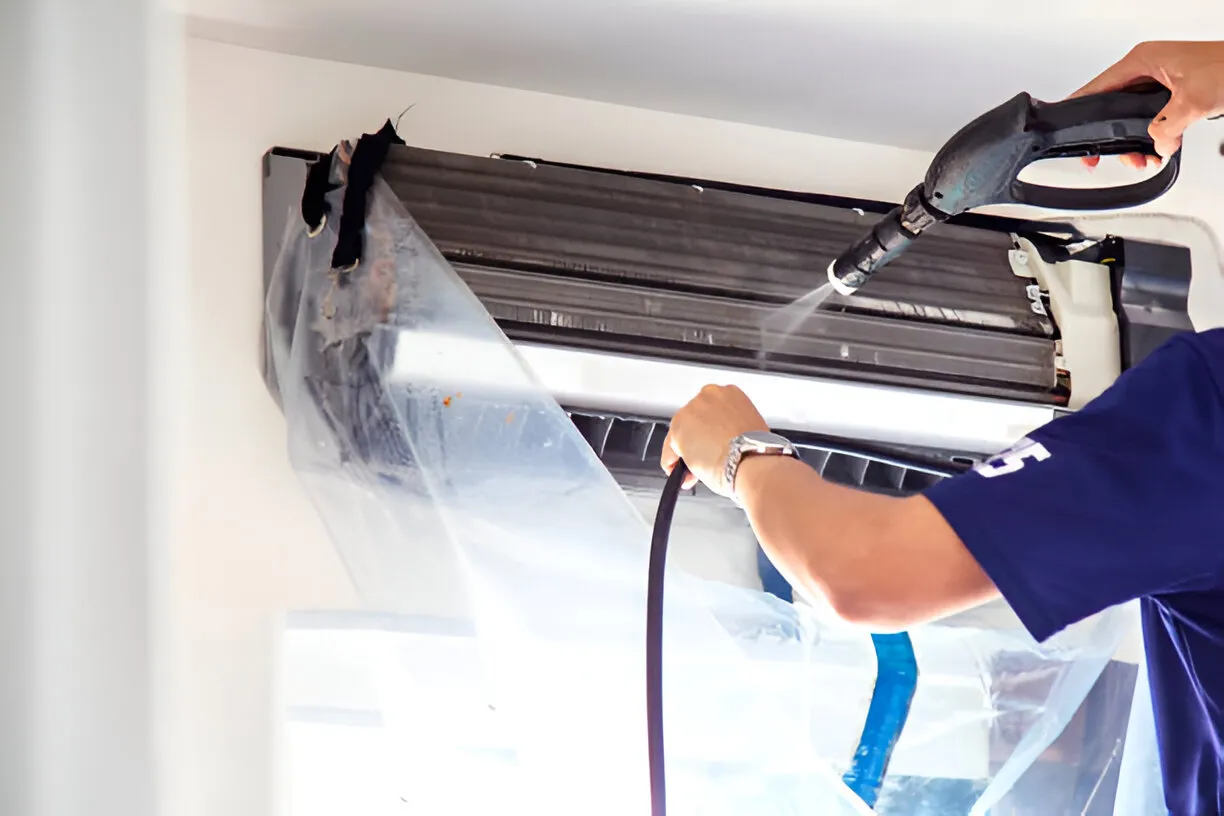
Common AC problems in Orlando homes
Below are the most frequent symptoms homeowners see, why they happen, and what they usually mean:
No cooling or insufficient cooling
- Causes: low refrigerant (leak), compressor failure, frozen evaporator coil, restricted airflow from clogged filters or ducts, failing thermostat.
- Symptoms: air runs but not cold, rooms never reach set temperature, outdoor unit runs but indoor unit blows warm air.
Short-cycling (system turns on and off frequently)
- Causes: oversized unit, thermostat malfunction, refrigerant leak, defective compressor, electrical issues.
- Symptoms: frequent short cycles, uneven temperature, increased utility bills, premature component wear.
Refrigerant leaks
- Causes: corrosion in copper lines, damaged coils, poor previous repairs, vibration wear.
- Symptoms: gradual loss of cooling capacity, hissing noises, ice on evaporator coil, performance drops after recharges.
Compressor or outdoor unit problems
- Causes: electrical failures, capacitor or contactor failures, motor burnout, refrigerant overload/low charge.
- Symptoms: outdoor fan not running, unit hums or is noisy, system won’t start, tripped breakers.
Blower motor or indoor fan issues
- Causes: worn motor bearings, capacitor failure, clogged blower wheel, loose belts.
- Symptoms: weak airflow, unusual rattling or screeching, intermittent airflow.
Drainage and condensate problems
- Causes: clogged drain line, clogged drain pan, failed condensate pump.
- Symptoms: water leaks, water damage, high humidity indoors, secondary float switch trips and shuts system down.
How professional diagnosis works
A reliable repair begins with a thorough, methodical diagnostic process designed to identify root causes, not just symptoms:
- Visual inspection of indoor and outdoor units for obvious damage, debris, or disconnected components.
- Thermostat settings and calibration check to rule out user or control issues.
- Electrical testing of capacitors, contactors, fuses, breakers, and controls for continuity and correct voltage.
- Refrigerant system check: measuring pressures, inspecting for oil stains or bubble tests on suspect joints to find leaks.
- Airflow measurement: filter check, blower wheel inspection, and static pressure testing where needed.
- Coil inspection for ice buildup or excessive dirt and a condensate drain check for clogs.
- System performance test under load to verify cooling capacity and cycle behavior.
Technicians use diagnostic findings to create an itemized repair plan so repairs address the underlying cause rather than providing temporary fixes.
Typical repair solutions you can expect
Refrigerant leak repair and recharge
Locate and repair leak (soldering, replacing copper sections, or replacing coils) and recharge with the correct refrigerant (R-410A on newer systems; older systems with R-22 may require special handling due to phase-out and higher cost).
Compressor, contactor, and capacitor replacement
Replace failed compressor components or electrical hardware that prevents the outdoor unit from starting or running efficiently.
Blower motor and fan repairs
Replace or rebuild blower motors, clean or replace fan blades, and replace belts where applicable to restore proper airflow.
Thermostat and control board repairs
Replace or recalibrate thermostats, sensors, and control boards that cause erratic cycling or incorrect temperature readings.
Coil cleaning and condensate solutions
Clean evaporator and condenser coils, clear and treat drain lines, and repair or replace condensate pumps to prevent water damage and improve efficiency.
Duct and airflow repairs
Seal and insulate ducts, repair disconnected or crushed sections, and adjust returns to balance airflow and improve comfort.
System replacement recommendation
When repairs are frequent or the compressor/coil is failing on an older system, replacement may provide better uptime, efficiency, and predictable operating costs.
Parts, labor, and estimate transparency
Professional AC repairs typically include clearly stated line items:
- Diagnostic fee - covers troubleshooting time and tools; often itemized separately.
- Parts cost - named parts with OEM or quality aftermarket options, with explanations of expected lifespan.
- Labor hours - estimated based on the scope of work and complexity.
- Refrigerant cost and recovery - includes required recovery, reclamation, or new refrigerant as applicable and any regulatory handling fees.
- Disposal and permit fees - if equipment removal or local permitting is necessary.
A transparent estimate will be written, itemized, and explain warranties on parts and labor. For refrigerant work, expect documentation about the type of refrigerant used and compliance with environmental regulations.
Tips to avoid future breakdowns in Orlando
- Schedule seasonal maintenance before peak summer use. A spring tune-up reduces risk of mid-summer failures.
- Change filters monthly during high-use months and at least every 90 days otherwise to maintain airflow and indoor air quality.
- Keep outdoor unit clear of debris, mulch, and vegetation; maintain a 2-3 foot clearance.
- Monitor refrigerant and address leaks promptly. Low refrigerant strains compressors and leads to costly failures.
- Install surge protection to shield compressors and control boards from lightning and storm-related power issues common in Central Florida.
- Seal and insulate ducts and ensure attic insulation is adequate to reduce cooling load.
- Consider age-related replacement: systems older than 12-15 years often require more frequent, costly repairs and operate less efficiently.

Customer Testimonials

Service Areas
