

Heat Pump Installation in Orlando, FL
Heat Pump Installation in Orlando, FL
Choosing the right heat pump and having it installed correctly is one of the most impactful decisions you can make for year-round comfort and energy efficiency in Orlando homes. With Central Florida’s hot, humid summers and mild winters, a properly sized, energy-efficient heat pump can deliver consistent cooling performance, lower utility bills, and reliable heating when temperatures dip.
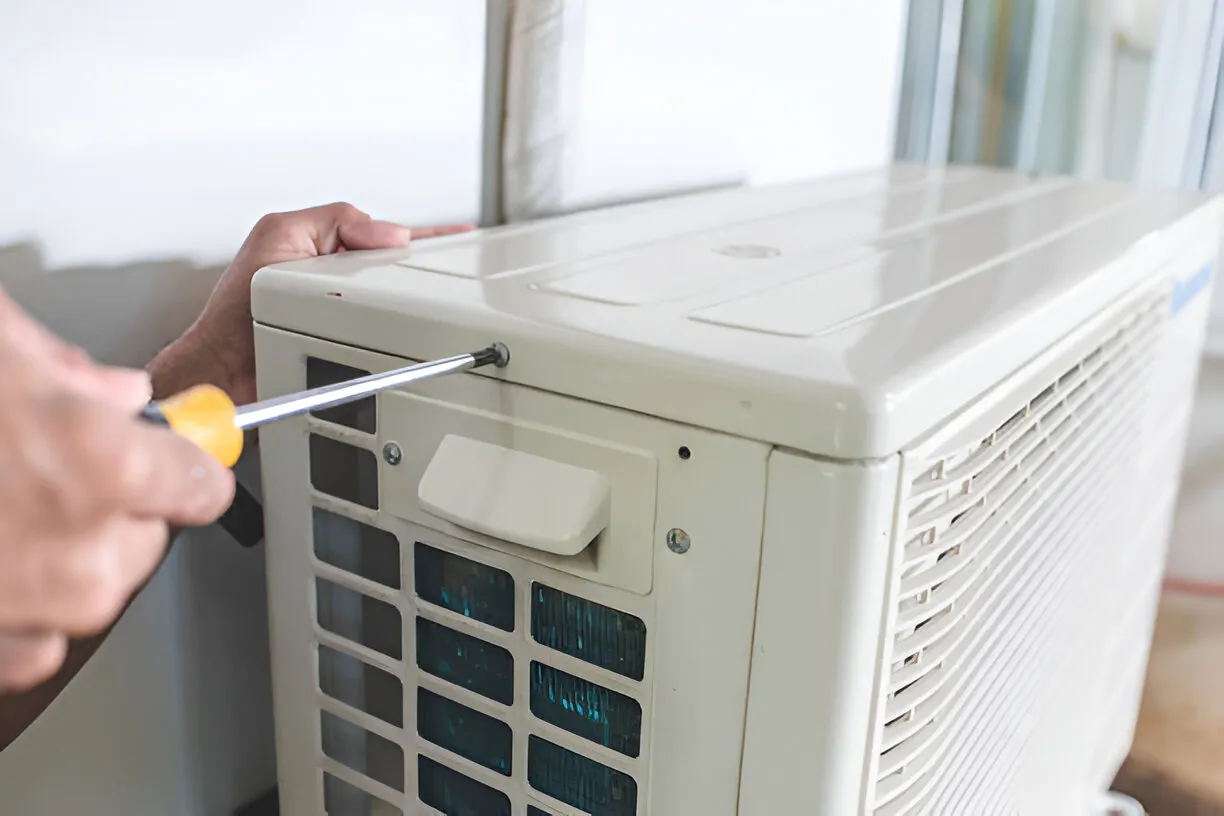
Why a heat pump is a strong choice for Orlando homes
- Heat pumps provide efficient cooling and heating in mild-winter climates like Orlando, where winter temperatures rarely require fossil-fuel heat.
- Modern inverter-driven and variable-speed heat pumps maintain more stable indoor temperatures and control humidity better than older single-speed units.
- Energy-efficient models with high SEER and HSPF ratings perform well under Orlando’s long cooling seasons, delivering savings over the life of the system.
- Systems designed for humid climates help reduce indoor humidity, lowering the risk of mold growth and improving comfort.
Common heat pump issues in Orlando and what proper installation prevents
- Frequent short cycling from incorrect sizing or improper refrigerant charge
- Excess humidity or poor dehumidification due to poorly matched airflow or undersized equipment
- Corrosion or reduced lifespan when outdoor equipment isn’t sited or protected for Florida’s humidity and occasional salty air near coastal areas
- Performance loss from clogged coils, incorrect refrigerant levels, or inadequate ductwork sealing
A professional installation addresses these risks from the start by ensuring correct sizing, proper refrigerant charge, and attention to site-specific conditions.
The installation process — step by step
1. Initial consultation and load calculation
The process begins with an on-site assessment. A certified technician will:
- Inspect your existing HVAC system, ductwork, insulation, and home orientation
- Perform a Manual J load calculation to determine the correct heat pump size based on your home’s actual cooling and heating loads
- Discuss comfort goals, budget, and energy-efficiency priorities
The Manual J and related calculations are critical. Oversized or undersized equipment leads to comfort and efficiency problems.
2. Model selection for Central Florida
Selection focuses on energy efficiency and performance in Orlando’s climate. Considerations include:
- SEER and HSPF ratings: higher values mean better long-term efficiency in cooling and heating
- Variable-speed or inverter compressors for improved humidity control and quieter operation
- Corrosion-resistant coatings or elevated pad options for outdoor units in humid or coastal locations
- Matched system components (outdoor unit, indoor coil, and compatible thermostat) to ensure optimal performance and warranty compliance
Your installer should explain manufacturer specifications and help you weigh long-term operating savings against upfront investment.
3. Site preparation
Proper site preparation ensures reliable operation:
- Verify a level, stable pad for the outdoor unit with adequate clearance for airflow and service
- Check ductwork for leaks, insulation levels, and proper sizing; seal and modify ducts as needed
- Ensure electrical service capacity and disconnects meet the new unit’s requirements
- Plan routing for refrigerant lines, condensate drains, and any necessary safety features
4. Professional installation steps
Experienced technicians will:
- Remove old equipment safely and responsibly
- Install the indoor and outdoor units, mounting and securing per local code and manufacturer instructions
- Evacuate and charge refrigerant to manufacturer-specified levels; confirm proper pressures and temperatures
- Connect and configure controls and thermostats, and verify electrical connections and safety devices
- Balance airflow and verify duct performance
Attention to each detail during installation prevents performance problems and protects warranties.
5. Permits and inspections in Orlando
Local building permits and inspections are typically required for HVAC replacement or significant alterations. Standard items include:
- Mechanical and electrical permits filed with the city or county building department
- Inspections of electrical work, refrigerant piping, and equipment installation
- Final inspection and approval before the system is considered compliant
A licensed contractor will obtain permits and schedule inspections as part of the installation timeline.
6. System startup and commissioning
Before handing the system over, technicians will:
- Perform a full startup and commissioning checklist, including refrigerant verification, airflow measurement, and thermostat calibration
- Test safety controls, defrost cycle, and emergency shutdowns
- Demonstrate basic operation and maintenance items (filters, drain line, thermostat settings) to the homeowner
- Provide a written commissioning report documenting performance parameters
Warranty and manufacturer options
Heat pump coverage typically includes:
- Manufacturer’s limited parts warranty on the compressor and components
- Optional extended warranties or labor coverage for added protection
- Importance of product registration and professional installation to maintain warranty eligibility
Review warranty terms carefully — length and coverage vary by manufacturer and model.
Financing and incentives
Financing options are often available to spread installation costs over time. Additionally, homeowners in Orlando may qualify for:
- Manufacturer rebates or promotional offers
- Utility or energy-efficiency incentives tied to high-efficiency equipment or qualifying upgrades
Your installer can outline financing programs and help identify potential incentives without making cost promises.
Expected timeline
- Initial consultation and load calculation: often completed within a few days of contacting a qualified installer
- Equipment selection and ordering: typically a few days to a few weeks depending on model availability
- Site preparation and installation: most residential installs are completed in one to three days for standard replacements
- Final inspections and commissioning: scheduled within days after installation, depending on local permitting timelines
Project duration varies with system complexity, ductwork repairs, and permit turnaround.
Post-installation care and maintenance recommendations
To protect performance and warranty, follow a simple maintenance routine:
- Schedule professional tune-ups annually (ideally before the peak cooling season)
- Replace or clean filters every 1 to 3 months during heavy use
- Keep the outdoor unit clear of vegetation, debris, and direct obstructions
- Have refrigerant levels and airflow checked during service visits
- Address drain line and condensate pan cleaning to prevent clogs and moisture issues

Customer Testimonials

Service Areas
