

Heating Replacement in Orlando, FL
Heating Replacement in Orlando, FL
Replacing a full heating system in Orlando, FL is a practical investment in year-round comfort and energy savings. While Central Florida winters are generally mild, aging heating equipment or inefficient systems can still cause discomfort during cool snaps and place extra strain on cooling systems the rest of the year. A properly selected, installed, and commissioned replacement heating system—especially modern heat pumps—delivers reliable warmth, lower utility bills, improved humidity control, and reduced repair risk for homes in Orlando and surrounding communities.
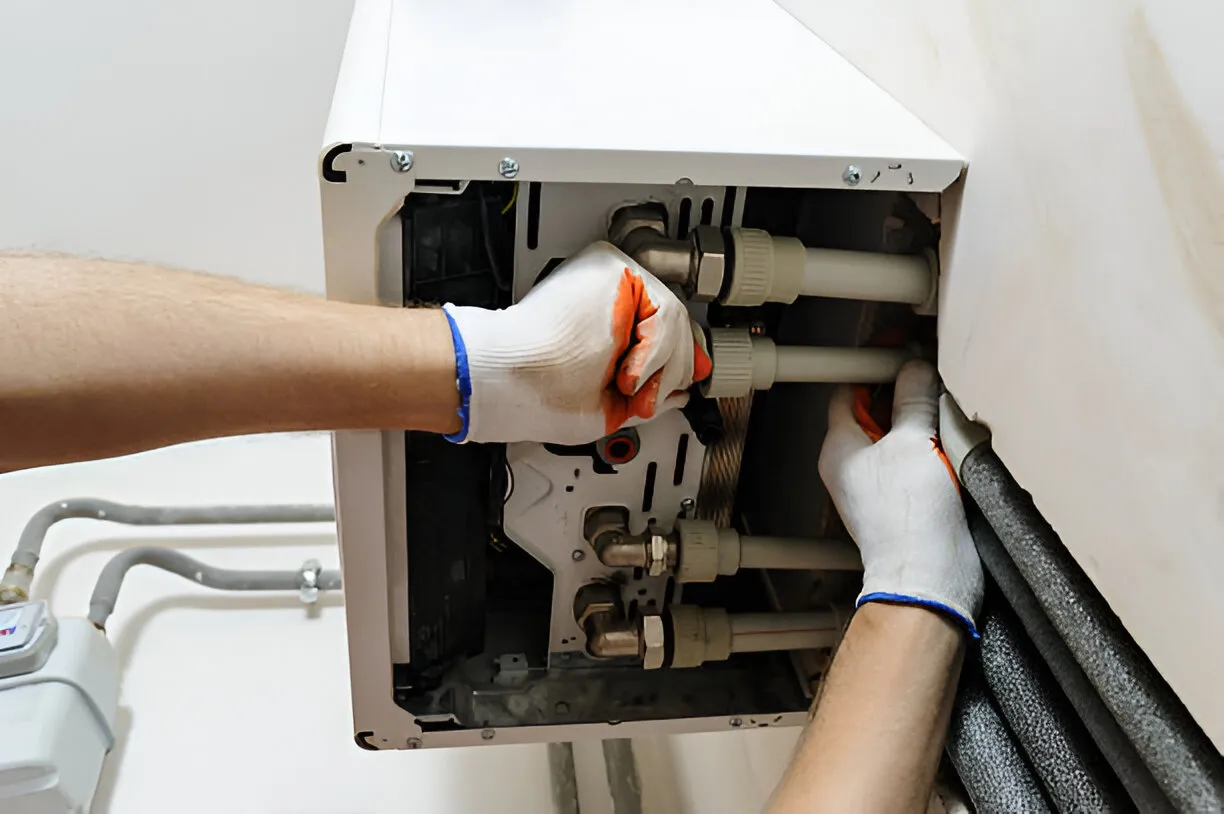
Is it time to replace your heater? Common signs in Orlando homes
Recognizing when a replacement is the right choice prevents repeated breakdowns and escalating energy costs. Look for these signs:
- System age over 10–15 years: Older heat pumps and furnaces lose efficiency and parts become scarce.
- Frequent repairs: Recurring service calls typically mean the cumulative cost will soon exceed replacement value.
- Rising energy bills: Even with similar usage, aging equipment uses more power to deliver the same comfort.
- Inconsistent home temperatures or short cycling: Uneven heating or frequent on/off cycles indicate failing components or a mismatched system.
- Unusual noises or odors: Rattles, banging, burning smells, or persistent moisture indicate mechanical or safety issues.
- Use of R-22 refrigerant: Units relying on R-22 are costly to service due to phase-out and are strong candidates for replacement.
- Poor humidity control: In Orlando’s humid climate, a modern system that balances heating and dehumidification will improve comfort.
Evaluation and energy-efficient upgrade recommendations
A proper replacement starts with a thorough home evaluation, not a straight swap. Key steps and recommendations include:
- Load calculation (Manual J): Determines the correct system capacity to avoid oversized or undersized equipment.
- Duct inspection and sizing: Leaky or poorly sized ducts reduce efficiency; repairs or sealing can be part of the replacement scope.
- Matched components: Choosing a matched outdoor unit, indoor coil, and compatible controls maximizes efficiency and longevity.
- Choose high-efficiency features: Variable-speed compressors and blowers, two-stage operation, and inverter technology improve comfort and lower energy use.
- Thermostat upgrade: Installing a smart or programmable thermostat improves temperature control and can cut operating costs.
- Zoning where needed: Zoned systems keep different parts of the home comfortable without overworking the system.
In Orlando, a heat pump upgrade is often the best energy-efficient choice because it handles both heating and cooling with high seasonal efficiency.
Removal and responsible disposal of old equipment
Safe and compliant removal protects your home and the environment:
- Refrigerant recovery: Certified recovery of refrigerants is performed to meet environmental regulations.
- Safe disconnection: Electrical, gas (if present), and condensate lines are secured and capped.
- Disposal and recycling: Outdoor and indoor components are removed and recycled or disposed of according to local codes.
- Site cleanup: Work areas are left safe and tidy, and old equipment is removed from the property.
Permits and inspections may be required in Orlando and Central Florida municipalities; a professional installation includes permit handling and scheduling of required inspections.
High-efficiency furnaces vs heat pumps — options for Orlando
Select the right technology for local needs and your home’s infrastructure:
Heat pumps (recommended for most Orlando homes)
- Provide both heating and cooling with high efficiency.
- Modern units with SEER 16+ and HSPF 9+ offer notable savings.
- Variable-speed inverter models deliver quieter operation and better humidity control.
- Well-suited for electric-only homes and reduces the need for separate furnaces.
Gas furnaces (for homes with gas service)
- High-efficiency furnaces (AFUE 95%+) deliver strong heating performance in cold climates, but in Orlando they are used less frequently.
- Paired systems (heat pump plus gas furnace) can be considered in homes that want backup heating on rare cold days.
Ductless mini-splits
- Offer targeted heating (and cooling) for additions, garages, or homes without ducts.
- High seasonal efficiency and zone-level control.
Choosing the right equipment depends on your home layout, existing ductwork, fuel availability, and efficiency goals.
Expected project timeline
A typical full heating replacement follows these stages:
- On-site evaluation and system selection (1 visit).
- Permits and equipment ordering (3–10 business days depending on models and local permit timelines).
- Installation and removal of old unit (1–3 days for standard residential replacements).
- Commissioning, system balancing, and inspection (same day as installation or next business day).
Complex jobs—like major ductwork replacement, structural changes, or custom mounting—may extend the timeline. Installations are scheduled to minimize disruption and ensure proper testing before technicians leave.
Cost estimates and financing assistance
Final cost varies by equipment size, efficiency, complexity, and ductwork condition. Typical ranges for Orlando-area residential replacements:
- Standard heat pump replacement: roughly $5,000 to $12,000 depending on capacity and efficiency.
- High-efficiency or variable-speed heat pump systems: generally toward the higher end of that range.
- Furnace replacement (if applicable): typically $3,500 to $7,500, depending on model and installation complexity.
- Additional ductwork, zoning, or electrical upgrades add to project costs.
Financing options are commonly available to spread payments over time, and high-efficiency upgrades may qualify for manufacturer rebates, local utility incentives, or federal tax credits—check current programs for eligibility. Financing and incentive availability can make higher-efficiency systems more affordable over their lifespan.
Post-installation testing and assurance of performance
Proper commissioning ensures your new system meets expectations:
- Refrigerant charge and pressure checks for optimum efficiency.
- Airflow testing and balancing to verify even distribution.
- Thermostat calibration and control setup.
- Safety checks: electrical connections, condensate drainage, and gas leak testing where applicable.
- Performance verification: measuring temperature differentials, system runtimes, and noise levels.
- Manufacturer registration and guidance on warranty coverage.
Expect technicians to provide a brief walkthrough of system operation and maintenance recommendations.
Benefits of timely replacement and maintenance tips
Replacing an aging system now can lower monthly energy costs, reduce emergency repair risk, improve comfort and indoor air quality, and increase resale value. For Orlando homes, additional considerations:
- Maintain humidity control during shoulder seasons to prevent mold and comfort issues.
- Elevate and secure outdoor units against heavy rainfall and storm conditions common in Central Florida.
- Replace filters regularly (every 1–3 months) and schedule annual or biannual maintenance checks to preserve efficiency.
- Seal and insulate ductwork and ensure attic insulation meets recommended levels to maximize system performance.
A planned, professional heating replacement provides predictable costs, better efficiency, and peace of mind—especially in Orlando where the right system improves comfort year-round while keeping energy use in check.

Customer Testimonials

Service Areas
