

Heat Pump Replacement in Orlando, FL
Heat pump replacement in Orlando, FL is presented for homeowners seeking a reliable, energy-efficient solution. The guide explains when to replace versus repair, outlines a full evaluation process (visual inspection, performance checks, duct leaks, Manual J sizing), and discusses benefits of high-efficiency units, including energy savings and humidity control. It covers sizing, brands, removal, and disposal, the installation timeline, financing options, rebates, post-install testing, warranties, and ongoing maintenance to protect performance for comfort and long-term savings.
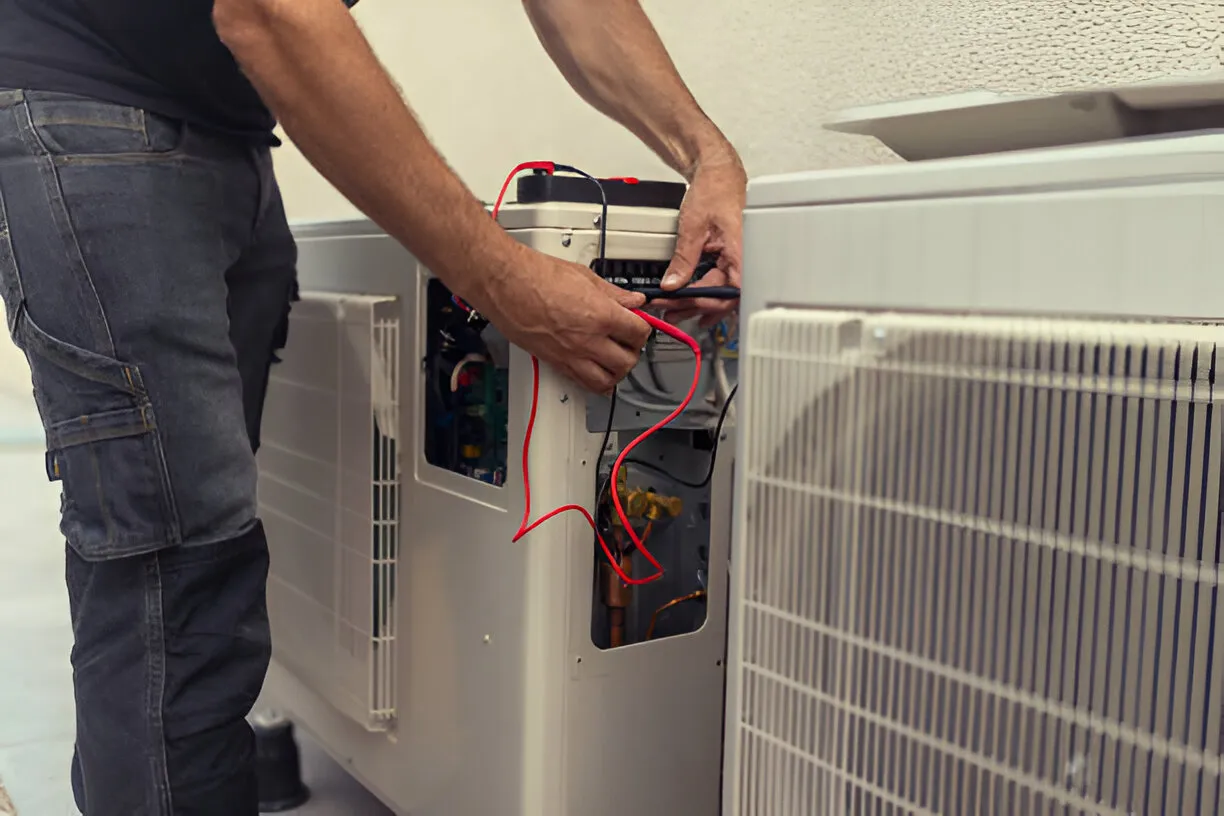
Heat Pump Replacement in Orlando, FL
Replacing a failing or aging heat pump in Orlando, FL is often the best decision for comfort, reliability, and long-term energy savings. In Central Florida homes, heat pumps work hard year round to cool, heat, and control humidity. When a system is more than 10 to 15 years old, requires frequent repairs, or struggles to maintain temperature and humidity during hot, humid months, replacement is usually recommended over ongoing repairs. This page explains how replacement is evaluated, what a modern high-efficiency heat pump offers, sizing and brand options, removal and disposal best practices, installation timelines, financing and rebate possibilities in the Orlando area, and what to expect after installation.
When to replace versus repair
Consider replacement when one or more of the following apply:
- The unit is older than 10 to 15 years and has declining efficiency.
- Repair costs are becoming frequent or exceed a significant fraction of a replacement estimate.
- The system cycles on and off rapidly (short cycling), struggles to control humidity, or cannot reach set temperatures.
- The compressor or major components have failed or require refrigerant that is being phased out.
- Your energy bills are steadily rising despite routine maintenance.
Repair is appropriate for isolated failures or when the remaining expected life justifies the cost. Replacement is the prudent choice when reliability, comfort, and energy savings outweigh cumulative repair costs.
Evaluation process for determining replacement
A proper replacement decision begins with a full system evaluation:
- Visual inspection of indoor and outdoor units for age, corrosion, and physical damage.
- Performance checks: refrigerant charge, airflow, compressor operation, and thermostat accuracy.
- Ductwork inspection for leaks, insulation, and sizing issues.
- Utility bill and usage review to estimate historical performance and energy cost trends.
- Manual J load calculation to determine proper system size based on home layout, insulation, windows, and Orlando climate factors like high humidity and solar gain.
This diagnostic process reveals whether problems stem from the heat pump itself, ductwork, or improper sizing. A replacement recommendation should be based on objective performance metrics, not just component age.
Benefits of upgrading to modern high-efficiency heat pumps
Upgrading to a modern heat pump delivers multiple benefits particularly relevant to Orlando homes:
- Lower energy bills: Modern units with higher SEER and HSPF ratings use less electricity. Typical savings compared with 10 to 15 year old systems are often in the 20 to 40 percent range, depending on existing equipment and usage patterns.
- Improved humidity control: Variable-speed compressors and multi-stage systems run longer at lower speeds to remove more moisture during humid months.
- Quieter operation and better comfort: Improved fan designs and variable-speed components reduce noise and deliver steadier temperatures.
- Environmental advantages: New refrigerants and higher efficiency reduce greenhouse gas impact.
- Smart controls and zoning: Many new systems integrate with smart thermostats and offer zoning options to reduce wasted cooling in unoccupied areas.
Variable-speed inverter-driven heat pumps provide the largest real-world gains in Orlando because they perform efficiently during the long periods of partial load typical of the region.
System sizing and brand selection, with energy savings estimates
Correct sizing and brand choice are critical:
- Sizing: A Manual J load calculation ensures right-sizing. Oversized units short cycle and fail to dehumidify. Undersized units run continuously and still underperform.
- System types: Standard split systems for ducted homes, high-efficiency packaged units for tight installations, and ductless mini-splits for additions, older homes, or zoned upgrades.
- Brands and tiers: Leading manufacturers include widely available, proven brands across efficiency ranges. Focus on models with high SEER2/HSPF2 ratings or variable-speed inverter technology for best savings.
- Example savings: Replacing a 12 SEER unit with a 17 SEER unit can reduce cooling energy use by roughly 30 percent at similar operating conditions. Adding variable-speed technology can boost savings further, especially during night and shoulder seasons.
Always compare system-level efficiencies and consider real installation factors like duct condition, shading, and attic insulation when estimating savings.
Removal and disposal of old equipment
Proper retirement of the old heat pump protects the environment and complies with regulations:
- Refrigerant recovery is required for all refrigerant-bearing equipment. Certified technicians safely recover and document refrigerant removal.
- Metals and components are recycled when possible; hazardous components are handled according to local and federal rules.
- Permits or disposal receipts may be required by local jurisdictions. Disposal reduces liability and ensures your replacement is compliant.
Typical installation timeline
Installation length depends on project scope:
- Like-for-like replacement: most single-family Orlando homes can be completed in 1 to 2 days.
- Upgrades requiring new ductwork, electrical upgrades, or line-set changes: 2 to 4 days or longer.
- Major system changes, zoning installations, or multi-story retrofits may extend the schedule.
Pre-install inspections, permit acquisition, and equipment lead times can affect the start date, so the diagnostic and planning phase is crucial.
Financing options and rebates in Orlando
Financing and incentives can make replacement more accessible:
- Many homeowners finance replacements through HVAC financing or home improvement loans that spread payments over months or years.
- Federal, state, and utility incentives may apply. High-efficiency units and certain heat pump technologies often qualify for manufacturer rebates, utility programs, or federal tax credits.
- Local utility or county programs in Central Florida may offer rebates or incentives for energy-efficient equipment and weatherization measures.
Ask for documentation of available incentives and ensure the chosen equipment meets program eligibility requirements before purchase or installation.
Post-replacement testing and warranty details
A thorough post-installation process guarantees performance:
- Startup and testing: Technicians verify refrigerant charge, airflow, electrical connections, thermostat calibration, and system controls. Performance is checked against design parameters and load expectations for your home.
- Indoor air quality and duct testing: Where relevant, duct leakage and airflow balance are tested and adjusted.
- Documentation and registration: Manufacturer warranties typically cover major components and compressors for a set period. Installers may offer labor warranties. Register equipment promptly to maximize warranty protection.
- Recommended maintenance: Annual tune-ups and filter changes preserve efficiency and warranty compliance. A maintenance plan helps protect your investment and maintain savings.
Conclusion In Orlando, where heat and humidity place a constant load on HVAC systems, replacing an old or failing heat pump with a properly sized, high-efficiency model delivers improved comfort, lower energy use, and better humidity control. A careful evaluation, correct sizing, responsible removal, and a professional installation with documented testing and warranties ensure you get the expected performance and savings for years to come. Regular maintenance after replacement preserves efficiency and keeps your home comfortable through Central Florida summers and mild winters.

Customer Testimonials

Service Areas
