

Heating Installation in Orlando, FL
Heating installation in Orlando, FL is presented as a comprehensive guide to proper sizing, ductwork, permits, and code-compliant installations. The process covers on-site heat-load calculations, equipment selection, and post-installation testing, emphasizing humidity control and energy efficiency through heat pumps or high-efficiency furnaces. It highlights local issues, warranty considerations, financing options, and brand choices, plus expected timelines from assessment to commissioning. The result is reliable comfort, improved indoor air quality, and long-term energy savings from professional installations.
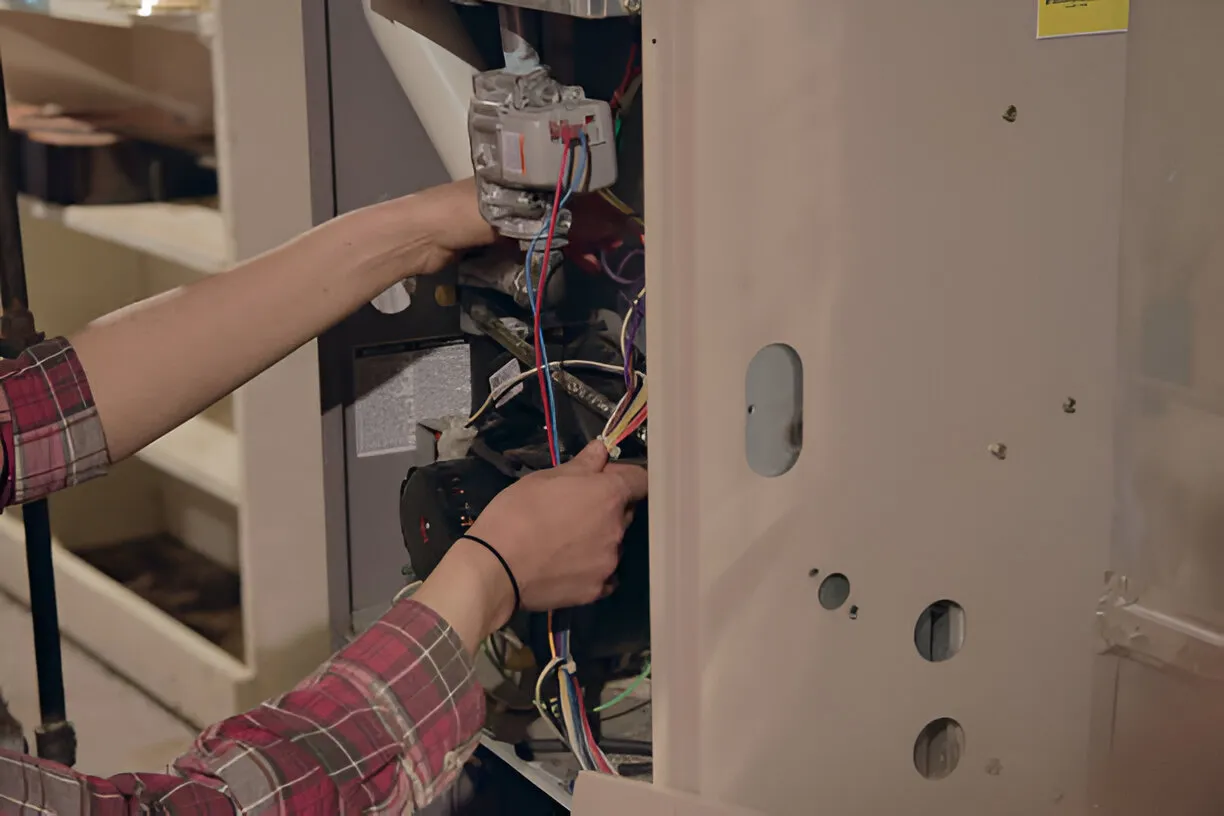
Heating Installation in Orlando, FL
Replacing or installing a new heating system in Orlando requires a tailored approach that balances comfort, humidity control, efficiency, and local building requirements. Although Central Florida winters are mild, an undersized or poorly installed system can leave your home chilly on cool nights, increase energy bills, and worsen indoor humidity. This page explains the complete heating installation process for Orlando homes, outlines common local issues, compares furnace and heat pump options, and details permits, testing, warranties, timeline expectations, and financing and brand considerations.
Why proper heating installation matters in Orlando
- Orlando’s humid subtropical climate means heating runs less often than in northern states, but when needed it must deliver even warmth without creating humid, clammy conditions.
- Correct sizing and ductwork balance prevent short cycling, poor humidity control, and higher utility costs.
- Proper installation supports efficient cooling in summer too—especially when choosing heat pumps that perform year-round.
Common heating issues in Orlando homes
- Undersized equipment leading to uneven temperatures and prolonged runtimes.
- Short cycling from oversized units that never complete full operating cycles.
- Poor humidity control or condensation when systems aren’t matched to home envelope and ductwork.
- Aging systems with low SEER/HSPF or AFUE ratings that waste energy.
- Duct leakage, undersized return paths, or inadequate insulation reducing system performance.
The full heating installation process
A professional installation follows a clear, documented process to ensure safety, efficiency, and code compliance. Typical stages include:
- On-site assessment and heat-load calculations
- System selection and efficiency comparison
- Permits and code review
- Pre-install prep (ductwork and electrical/gas checks)
- Removal of old equipment and new system installation
- Post-install testing, commissioning, and homeowner walkthrough
- Warranty registration and maintenance planning
On-site assessment and heat-load calculations
- An accurate Manual J heat-load calculation is essential to determine the correct capacity for your home based on square footage, ceiling heights, insulation levels, window types/orientation, and occupancy.
- Inspect the duct system (Manual D recommendations) for leaks, insulation levels, return locations, and required modifications.
- Evaluate thermostat placement, electrical service capacity, and, if applicable, gas line sizing.
System selection: heat pump vs furnace (and efficiency ratings)
- Heat pumps are the most common and practical choice in Orlando. They provide efficient heating and cooling in one system, with modern models offering high HSPF (heating seasonal performance factor) and SEER ratings that translate to lower annual energy use. Heat pumps also provide better dehumidification control when matched properly to the home.
- Furnaces (gas or electric) are less common in Orlando but may be preferred in homes already piped for natural gas or where homeowners desire rapid warm-up performance. Look at AFUE (annual fuel utilization efficiency) for gas furnaces—higher AFUE equals more efficient fuel use.
- Compare long-term operating costs, equipment life expectancy, and performance in low temperatures (not typically a major concern in Orlando) when choosing between a heat pump and a furnace.
- Consider variable-speed compressors and multi-stage equipment for improved humidity control, quieter operation, and consistent comfort.
Permit and code considerations in Orlando, FL
- Installations must comply with the Florida Building Code and local Orlando/Orange County mechanical and electrical codes. Mechanical permits are typically required for replacement or new installations.
- Electrical work may require an upgrade to the service or dedicated circuits; gas installations must meet local gas code and inspection.
- Homeowners associations and historic districts may have additional requirements for equipment placement or exterior units.
- Proper permit pull and inspections protect warranties and ensure safe operation.
Step-by-step installation timeline (typical)
- Day 1: Site assessment, final equipment selection, and permit submission.
- Day 2–7: Permit approval period varies—some jobs can be scheduled while permits are processing; complex ductwork or electrical upgrades can extend the timeline.
- Installation day(s): Removal of old equipment, duct modifications, electrical/gas connections, equipment set and secured, refrigerant and piping runs, condensate and drainage setup.
- Startup and commissioning: Refrigerant charge, airflow testing, thermostat programming, safety checks, and homeowner walkthrough.
- Final inspection: Municipal inspection and sign-off if required.
Total time on site for a straight swap typically ranges from one to two days; more complex installs (duct redesign, multiple zones, or structural work) can take longer.
Post-installation testing and commissioning
Thorough commissioning verifies the system operates as intended:
- Measure airflow (CFM) and static pressure to confirm duct performance.
- Check refrigerant charge and correct temperature split across the evaporator coil.
- Verify electrical connections, current draw, and safety controls.
- Test heating output and verify consistent room temperatures and proper thermostat function.
- Confirm condensate drainage, defrost cycles (for heat pumps), and noise/vibration levels.
- Document performance results and provide the homeowner with operation basics and maintenance recommendations.
Warranty and manufacturer information
- Equipment typically carries a manufacturer’s limited warranty (compressor, heat exchanger, electronics). Labor warranties vary by installer and should be confirmed before scheduling.
- Warranty registration with the manufacturer is often required to receive full coverage—keep installation and permit records handy.
- Discuss extended warranty options, what they cover (parts vs labor), and any conditions such as required maintenance intervals.
Financing and brand options
- Multiple reputable brands serve Orlando homeowners, including models from Daikin, Trane, Carrier, Lennox, and Goodman; each offers different performance tiers, warranty terms, and component features.
- Financing structures commonly available include installment loans, deferred-interest plans, or fixed monthly payments to spread equipment cost. Eligibility, loan terms, and payment details vary.
- Consider lifecycle cost comparisons (initial price, expected efficiency, maintenance, and estimated energy savings) rather than selecting solely on upfront cost.
Long-term benefits and maintenance tips
- A properly sized and installed system improves year-round comfort, reduces energy bills, and extends equipment life.
- Regular maintenance—seasonal tune-ups, filter changes, duct sealing, and annual refrigerant/pressure checks—preserves efficiency and warranty validity.
- Upgrading to higher-efficiency equipment and variable-speed components helps with humidity control and quieter operation, important in Orlando’s climate.
Heating Installation in Orlando, FL requires more than picking a unit off the shelf. The right installation is founded on precise load calculations, careful system selection (often favoring heat pumps here), code-compliant permitting, professional duct and electrical work, and meticulous testing and commissioning. When these elements are handled correctly, homeowners get consistent comfort, improved indoor air quality, and measurable energy savings throughout the year.

Customer Testimonials

Service Areas
