

Heat Pump Repair in Orlando, FL
Orlando heat pump repair services provide around-the-clock diagnostics and transparent pricing, addressing common local issues from refrigerant leaks to thermostat problems. The service follows a consistent repair workflow: diagnose, itemize an estimate, isolate the fault, recover refrigerant when required, install quality parts, evacuate and recharge, test operation, and review warranty details with the homeowner. With rapid response, proper testing, and long-term maintenance guidance, homeowners can expect reliable performance, improved efficiency, and extended equipment life in Central Florida's climate.
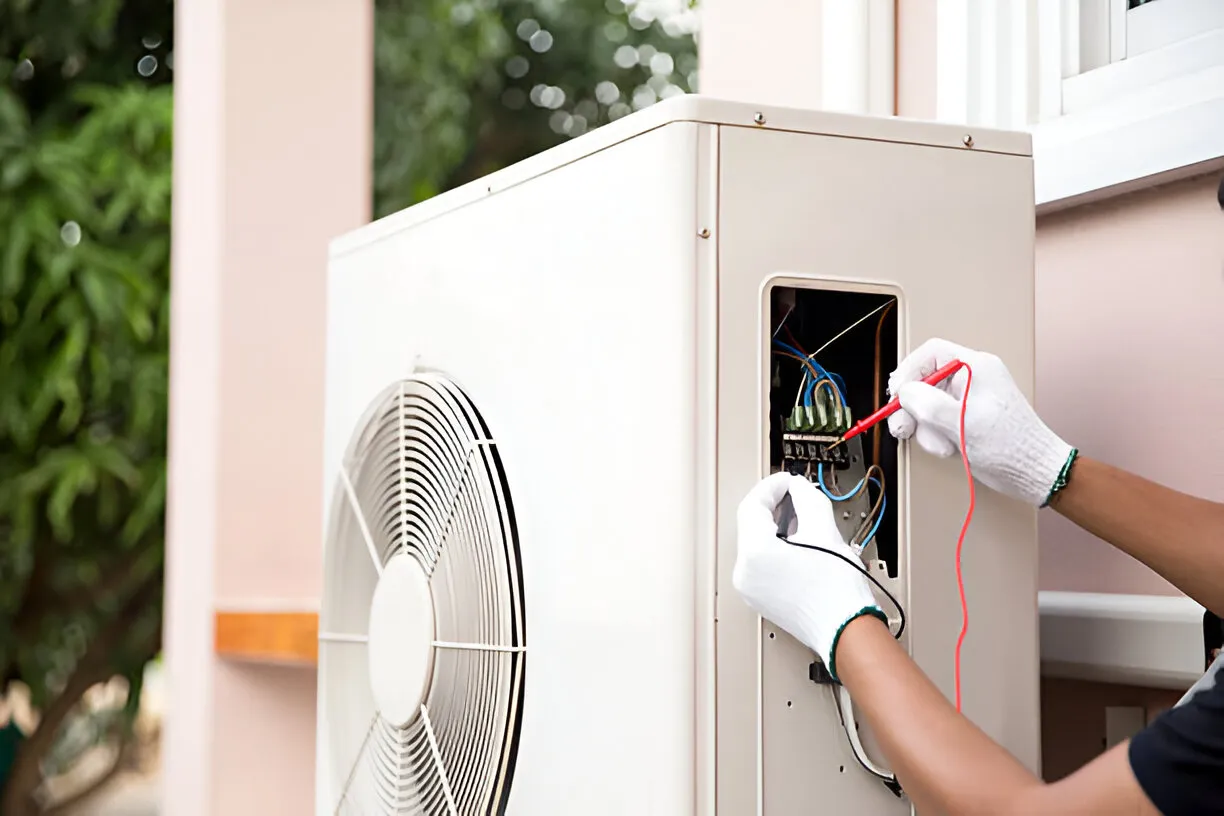
Heat Pump Repair in Orlando, FL
Living in Orlando means hot, humid summers and mild winters. Your heat pump works year-round to keep indoor temperatures stable, handle humidity, and do both cooling and heating. When a heat pump fails, the result is discomfort, higher energy bills, and potential safety risks. This page explains common heat pump problems in Orlando, what a professional 24/7 diagnostic and repair process looks like, parts and testing practices, transparent pricing expectations, typical response times, warranty coverage, and practical tips to avoid future breakdowns.
Common heat pump issues in Orlando, FL
Orlando’s climate places specific demands on heat pumps. Here are the most frequent problems we see in local homes and what causes them.
- No heat or no cooling: Usually caused by refrigerant loss, compressor failure, or electrical/control issues. In humid conditions, inadequate cooling can also feel like a heating problem.
- Short cycling or frequent on-off cycles: Often due to incorrect refrigerant level, a failing capacitor, a bad thermostat, or airflow restrictions.
- Compressor or motor faults: Overworked compressors and outdoor fan motors can fail from age, debris, or frequent heavy use during Florida summers.
- Refrigerant leaks: Corrosion in older lines, mechanical damage, or failing fittings cause leaks that reduce performance and can damage components.
- Thermostat problems: Wrong settings, miscalibration, or wiring faults cause poor temperature control.
- Frozen evaporator coils: Restricted airflow from dirty filters or low refrigerant can cause ice buildup and loss of cooling.
- Drainage and condensate issues: Clogged drain lines, full drain pans, or poor condensate pump operation lead to water damage or system shutdown.
- Electrical and control board failures: Power surges during storms or wear and tear can damage relays, contactors, and control electronics.
24/7 emergency diagnostics in Orlando
Emergency failures happen at the hottest or coldest times. A fast, systematic diagnostic approach reduces downtime and prevents unnecessary replacements.
- Rapid arrival and safety check: First priority is system and occupant safety, including verifying power, gas (if present), and clearing hazards.
- Visual and operational inspection: Technicians inspect outdoor and indoor units, ducting, filters, and thermostat settings.
- Electrical and component checks: Voltage and amp draws, capacitor and contactor tests, and motor continuity checks help pinpoint failures.
- Refrigerant and pressure testing: Gauge readings, temperature splits, and leak-detection techniques determine refrigerant issues.
- Clear explanation and options: Findings are explained in plain language with repair options, parts needed, and an estimated timeline.
Step-by-step repair process
A consistent repair workflow ensures reliable results and minimizes repeat visits.
- Diagnose and document the fault with photos and readings.
- Provide an itemized repair estimate and timeline before starting work.
- Isolate the problem and remove faulty parts safely.
- Recover refrigerant when required and follow EPA guidelines for handling.
- Install replacement parts using OEM or quality aftermarket components.
- Evacuate and vacuum the refrigerant circuit when lines are opened, then charge to correct specifications.
- Restore power, test operation across modes, and measure performance metrics.
- Verify airflow, temperature split, superheat/subcooling, and electrical loads.
- Review the repair performed, warranty details, and maintenance recommendations with the homeowner.
Parts replacement and testing standards
Proper parts and rigorous testing are critical in Orlando’s demanding environment.
- Parts selection: Use manufacturer-recommended compressors, motors, capacitors, contactors, and controls when available. High-quality aftermarket alternatives are used when compatible.
- Refrigerant handling: Leak repair precedes recharge. Systems are evacuated, tested for vacuum hold, and charged to manufacturer specs for reliable operation and efficiency.
- Performance verification: Technicians check airflow, duct function, temperature differential, and electrical readings to confirm the heat pump meets expected output.
- Documentation: Final readings, parts used, and test results are recorded to support warranties and future service decisions.
Transparent pricing and estimates
Upfront clarity eliminates surprises and helps you make informed decisions.
- Itemized estimates: Repairs are presented with line-item parts and labor descriptions so you can compare options.
- Explanation of options: When multiple repair paths exist, each is explained with expected lifespan and cost implications.
- Diagnostic transparency: Diagnostic findings are included in the estimate so you understand what caused the problem.
- Financing and payment clarity: If financing is an option, that is noted as a separate choice; the repair estimate remains focused on technical needs and costs.
Typical response times for Orlando homeowners
In Orlando and the surrounding Central Florida area, quick response is essential during heat waves.
- Emergency situations: Expect priority response for no-cool or no-heat emergencies. Typical emergency windows in the Orlando metro are within a few hours, depending on call volume and time of day.
- Non-emergency repairs: Many common repairs can be scheduled same-day or next-business-day, with parts-available workflows minimizing delay.
- Seasonal demand: During peak summer heat or severe weather, scheduling may extend. Early maintenance helps avoid peak-season emergencies.
Warranty and peace of mind
A reliable repair should be backed by clear warranty coverage.
- Parts and labor warranty: Repairs come with a stated warranty period for both parts and labor. Manufacturer warranties on replacement parts apply where relevant.
- Documentation provided: Warranty terms, maintenance recommendations, and records of work completed are provided with every repair to protect your investment.
- When replacement makes sense: If a system is repeatedly failing or near the end of life, recommendations will include replacement considerations with efficiency and long-term cost in mind.
Tips to avoid future heat pump breakdowns in Orlando
Proactive maintenance goes a long way in Central Florida’s climate.
- Replace filters every 1-3 months during heavy use to maintain airflow and efficiency.
- Keep outdoor unit clear of leaves, grass, and debris; trim vegetation to allow free airflow.
- Schedule regular tune-ups at least once a year; split-season checks before cooling and heating seasons are ideal.
- Install surge protection to guard electronics from storm-related power spikes.
- Ensure proper drainage from condensate lines and keep the drain pan clean to prevent water damage and bacterial growth.
- Monitor thermostat settings and upgrade to a programmable or smart thermostat for better control and reduced wear.
- Address odd noises, odors, or cycling problems early to prevent larger failures.
Timely heat pump repair in Orlando, FL restores comfort, improves energy efficiency, and extends the life of your system. With a thorough diagnostic process, quality parts and testing, clear pricing, and a warranty on work performed, homeowners can make confident decisions about repairs and preventative care in the Central Florida climate.

Customer Testimonials

Service Areas
