

Commercial Ac Company in Geneva, FL
Commercial Ac Company in Geneva, FL
Managing reliable, efficient commercial cooling in Geneva, FL is critical for businesses that depend on consistent indoor comfort and temperature-sensitive operations. With hot, humid summers, frequent thunderstorms, and an active hurricane season, Geneva commercial properties face higher cooling loads and equipment stress than many other markets. This page explains commercial air conditioning services available in Geneva, FL, outlines common problems, describes diagnostic and repair workflows, and covers preventative maintenance programs, equipment replacement and energy-efficiency upgrade options, brands serviced, financing possibilities, service agreements, and what information you should have ready when requesting a commercial quote or ongoing service plan.
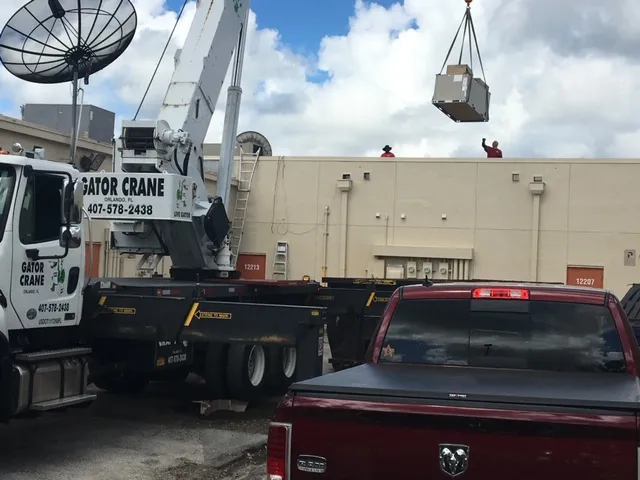
Common commercial systems and frequent issues in Geneva, FL
Commercial facilities in Geneva typically rely on rooftop units (RTUs), packaged systems, air-cooled chillers, water-chilling systems, and walk-in freezer/refrigeration units. Common service needs include:
- Rooftop unit repair: compressor failures, fan motor issues, control board faults, refrigerant leaks, and storm damage from high winds.
- Walk-in freezer and refrigeration repair: evaporator freeze-ups, temperature control failures, compressor burnout, and gasket or door seal wear leading to energy loss.
- Water-chilling system service: condenser fouling, pump failures, scale buildup, and inefficient refrigerant charge or controls.
- Controls and BAS integration: outdated thermostats, failing sensors, and lack of remote monitoring.
- Preventative maintenance needs: clogged coils and drains, short-cycling compressors, and poor airflow due to dirty filters.
High humidity in Geneva increases coil corrosion and promotes microbial growth on coils and drain lines. Hurricane season raises the risk of physical damage and power-related failures that require rapid assessment to avoid long downtime.
How we diagnose commercial HVAC problems
Commercial diagnostics balance speed with thoroughness to reduce downtime and avoid repeated service calls. A typical diagnostic workflow includes:
- Site intake and system history review - gather unit IDs, age, past repairs, and operating hours.
- Visual inspection - check for physical damage, belt and pulley condition, electrical connections, and obvious refrigerant leaks.
- Functional testing - verify airflow, temperature differentials, compressor operation, and pump pressure on water-chilled systems.
- Control and safety checks - confirm sensor accuracy, safety cutouts, and BAS communications.
- Deeper analysis if needed - leak detection, oil analysis, refrigerant weighing, and vibration diagnostics for rotating equipment.
- Report and options - provide a prioritized repair plan, replacement recommendation, or temporary measures to keep operations running.
For refrigeration and freezers, diagnostics also include food-safety risk assessment to determine safe temperatures and the urgency of service intervention.
Rooftop unit, chiller, and refrigeration repairs explained
Repairs are tailored to system type but share common priorities: restore reliable operation, preserve product or occupant safety, and improve energy use when practical.
- Rooftop units: repairs typically address compressor and fan motor replacements, condenser and evaporator coil cleaning or replacement, control board troubleshooting, and securing units against wind uplift. We ensure roof curb integrity and verify power and control wiring meet code.
- Walk-in freezers and refrigeration: repairs focus on compressor service, evaporator coil defrost cycles, refrigerant charging, and door seal replacement. For sensitive operations, temporary cold storage strategies are recommended during major repairs.
- Water-chilling systems: service includes pump repair or replacement, heat exchanger cleaning, refrigerant circuit repair, VFD tuning, and treatment to reduce scale and biological growth that degrade performance.
All refrigerant handling follows current environmental regulations and best practices for recovery and leak repair.
Preventative maintenance programs and service agreements
A structured preventative maintenance plan reduces emergency calls and extends equipment life. Typical commercial plans include:
- Seasonal inspections and tune-ups timed to local peak loads
- Coil and drain cleaning, filter changes, belt and bearing lubrication
- Refrigerant leak checks and verification of charge and pressures
- Electrical safety inspections and tightening, contactor and relay testing
- Controls calibration and software updates, including BAS checkpoints
- Priority response scheduling and detailed service records
Benefits for Geneva businesses include fewer unexpected outages during peak months, improved indoor air quality in humid conditions, lower utility costs through optimized equipment, and extended warranty compliance for manufacturer-covered units.
Equipment replacement and energy-efficiency upgrades
When units are beyond economical repair or when energy savings justify investment, options in Geneva include:
- High-efficiency rooftop unit replacements with modulating compressors and ECM fan motors
- Upgraded chillers or water-cooled systems with improved part-load performance
- Variable frequency drives (VFDs) for pumps and fans to reduce electrical demand
- Demand-controlled ventilation and heat-recovery systems to reduce overall load
- Smart controls and energy management systems for remote monitoring and preventive alarms
- LED lighting and building envelope recommendations that complement HVAC upgrades for whole-site savings
Upgrading to newer equipment reduces run-time and peak demand charges, which is especially valuable in a climate with long cooling seasons.
Brands serviced
Technicians are experienced with most major commercial HVAC and refrigeration manufacturers, including but not limited to:
- Trane, Carrier, York, Daikin, Lennox, Goodman, Mitsubishi, Rheem, and Thermo King
- Common commercial refrigeration brands and compressor manufacturersTechnicians match replacement parts and controls to maintain performance and compatibility.
Project case studies (anonymized examples)
- Rooftop replacement at a retail center: Replaced two aging RTUs, installed ECM fans and VFDs, resulting in smoother temperature control and measurable reduction in peak electricity usage.
- Emergency freezer repair for a restaurant: Rapid compressor and control replacement limited inventory loss while implementing a preventative schedule to prevent recurrence.
- Water-chiller retrofit for a light industrial site: Repaired degraded heat exchanger, optimized refrigerant charge, and added variable-speed controls to improve part-load efficiency and reduce monthly energy spend.
Each project included a post-service report documenting savings estimates and recommended next steps.
Financing options and planning an ongoing service plan
Financing options are commonly available for equipment replacement and major retrofits to help spread capital costs while capturing immediate energy savings. Typical structures include lease financing, equipment loans, and utility incentive assistance where applicable.
When preparing to request a commercial quote or to set up an ongoing service plan, have the following information ready to speed evaluation and provide an accurate proposal:
- Site address and primary building use (retail, restaurant, office, industrial)
- Equipment inventory: unit type, make, model, serial number, and installation year
- Operating schedule and hours per day
- Recent utility bills for energy audit purposes (12 months ideal)
- Photos of rooftop units, control panels, and mechanical rooms if possible
- Description of any current issues, desired outcomes, and budget or timeline constraints
- Access and scheduling preferences for service windows
A typical quoting timeline starts with a remote review and phone consultation, followed by an on-site inspection and formal proposal that outlines repair versus replacement options, estimated equipment life, and projected energy savings.
Final notes: long-term benefits for Geneva businesses
Investing in commercial AC service and preventative care protects your business from costly downtime, reduces energy expenses, and keeps temperature-sensitive operations secure in Geneva’s demanding climate. Regular maintenance, timely repairs, and considered upgrades deliver better comfort, compliance with health and safety needs, and lower total cost of ownership for commercial cooling systems.

Customer Testimonials

Service Areas
