

Commercial Ac Company in St. Cloud, FL
Commercial Ac Company in St. Cloud, FL
Keeping commercial facilities in St. Cloud, FL comfortable, compliant, and operational requires HVAC and refrigeration expertise that understands Central Florida heat, humidity, and coastal corrosion risks. As a full-service commercial AC company in St. Cloud, FL, we cover the full lifecycle of your commercial cooling and refrigeration systems: diagnostics, emergency response, scheduled maintenance, retrofits, installation, and financing for capital projects. Below is a practical, decision-focused breakdown of services, common issues in the St. Cloud area, and what you should expect from a professional commercial HVAC partner.
What commercial services you can expect
We provide comprehensive commercial air conditioning and refrigeration services in St. Cloud, FL for retail, restaurants, grocery, medical offices, hotels, warehouses, manufacturing, and office buildings.
Core service categories:
- Walk-in freezer and refrigerated case repair and preventative care
- Water chiller repair and maintenance for process or chilled water systems
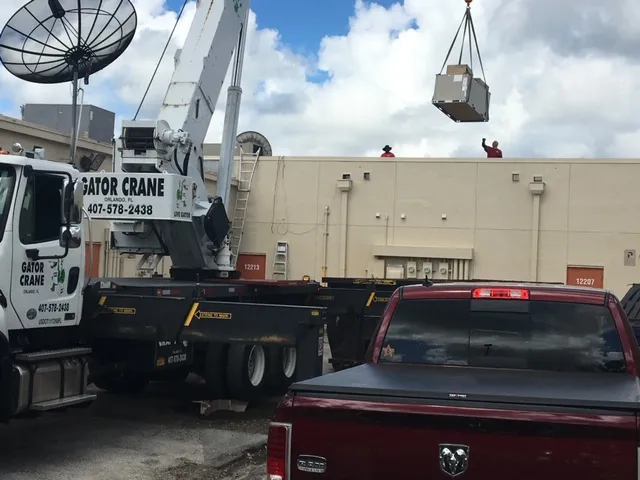
- Rooftop unit (RTU) and packaged unit installation, replacement, and commissioning
- System retrofits for improved efficiency and regulatory compliance
- Preventative maintenance agreements with scheduled visits and reporting
- Rapid-response emergency service for uptime-critical systems
- Project management and turnkey replacement for large installations
- Financing options for equipment replacement and retrofit projects
Common commercial AC and refrigeration issues in St. Cloud
St. Cloud’s hot, humid climate and proximity to the coast produce predictable problems that increase downtime risk and operating cost:
- High humidity and coil icing or short cycling — moisture load can overload systems, causing reduced capacity and higher runtime.
- Clogged condensate drains and overflow leading to water damage or mold in occupied spaces.
- Refrigerant leaks from older equipment or vibration wear, reducing cooling performance and violating newer refrigerant regulations.
- Compressor and motor failures from prolonged high-load operation.
- Salt-air corrosion on rooftop units and exposed components, accelerating failures.
- Walk-in freezer temperature drift due to door seals, evaporator issues, or defrost system faults—critical for food-service and grocery compliance.
Diagnostic approach and rapid-response service
For uptime-critical systems like freezers, chillers, and packaged rooftop units, the diagnostic and response workflow is focused and transparent:
- Priority dispatch for emergency calls with technicians trained on refrigeration and chiller systems.
- On-site triage: verify temperatures, inspect controls, assess refrigerant charge, and check electrical and mechanical faults.
- Temporary stabilization (head pressure control, backup cooling, manual defrost) when needed to protect inventory or process uptime.
- Detailed repair plan with parts list, estimated repair time, and expected outcomes.
- Post-repair testing and documentation to confirm system performance and set monitoring baselines.
Rapid-response capabilities include technicians stocked trucks, refrigerant recovery equipment, and access to common OEM parts to minimize downtime.
Preventative maintenance agreements and contract deliverables
A structured preventative maintenance (PM) program reduces emergency calls and extends equipment life. Typical PM packages for commercial customers in St. Cloud include:
- Scheduled visits (monthly, quarterly, biannual) with seasonal adjustments for peak cooling months
- Comprehensive inspection of electrical connections, compressors, motors, belts, and controls
- Coil cleaning, refrigerant pressure checks, and condensate drain clearing
- Filter replacement and indoor air quality checks
- Performance verification: capacity, efficiency, and temperature consistency
- Digital reports with photos, abnormal findings, recommended repairs, and lifecycle planning
- Priority scheduling, emergency response windows, and parts warranty coordination
Service contract types range from basic maintenance-only agreements to full-service contracts that include labor and parts for common failures and negotiated service-level agreements (SLAs) for guaranteed response times.
Typical repair and replacement deliverables
When performing repairs or equipment replacement, expect clear, professional deliverables tailored to commercial needs:
- Written diagnostic report and quote for repairs or replacement options
- Load calculations and site-specific recommendations for replacement units
- Engineering and permitting support for rooftop or packaged unit installs
- Refrigerant recovery and compliance documentation for older refrigerants
- Commissioning checklist and baseline performance data
- Warranty paperwork, parts serial numbers, and recommended maintenance schedule
- Energy and operational impact analysis, showing payback for efficiency upgrades
Brands and equipment types serviced
Most commercial operations have mixed fleets. Technicians should be certified and experienced with common OEMs and system types, such as:
- Brands: Trane, Carrier, Lennox, Daikin, York, Goodman, Rheem, Mitsubishi, McQuay, and Tecumseh (refrigeration)
- Equipment: rooftop packaged units, split systems, centrifugal and screw chillers, evaporator and condenser coils, walk-in freezers, refrigerated cases, ice machines, and water chillers
- Controls and BAS: programmable thermostats, building automation integrations, and direct digital controls
Energy-efficiency and retrofit upgrade options
Upgrading aging equipment in St. Cloud can deliver immediate comfort improvements and ongoing utility savings:
- Replace legacy compressors and motors with high-efficiency models and variable frequency drives (VFDs)
- Convert older R-22 systems to modern refrigerants or replace systems to avoid phased-out refrigerants
- Install economizers, demand-controlled ventilation, and smart controls for optimized runtime during lower-load periods
- Envelope and airflow improvements to reduce load: door gaskets on freezers, sealing ductwork, and adding strip curtains
- Incentive and rebate evaluation as part of project planning to offset retrofit costs
These upgrades not only reduce energy bills but also improve reliability during peak heat and humidity periods common in St. Cloud.
Financing for large projects
Large commercial replacements and retrofits are frequently financed. Typical options include equipment leasing, term financing, and project-based financing that preserves capital while enabling immediate efficiency gains. Financing packages are commonly structured to match energy savings and lifecycle benefits to monthly payments.
Why timely commercial HVAC and refrigeration care matters
For St. Cloud businesses, timely HVAC and refrigeration service protects revenue, preserves perishable inventory, maintains occupant comfort, and helps meet regulatory and insurance requirements. A consistent preventative maintenance program paired with rapid-response capabilities minimizes emergency costs and extends equipment life, producing measurable ROI through lower utility bills, fewer disruptions, and predictable capital planning.
If you operate a business in St. Cloud, FL—whether a restaurant with walk-in freezers, a hotel with rooftop units, or a facility with process chillers—professional commercial AC and refrigeration services reduce risk and keep your operations running reliably in Central Florida’s demanding climate.

Customer Testimonials

Service Areas
