

Furnace Service in Altamonte Springs, FL
Furnace service for Altamonte Springs homes covers gas furnaces, electric furnaces, and heat pumps, with a focus on safe, efficient operation. The diagnostic process, typical repairs, and safety considerations are explained, emphasizing reliable performance during cold snaps. The guide details installation and replacement options, maintenance plans, and homeowner steps to extend furnace life. It also describes emergency response times and how seasonal tune-ups reduce energy use, improve comfort, and protect household safety throughout Central Florida.
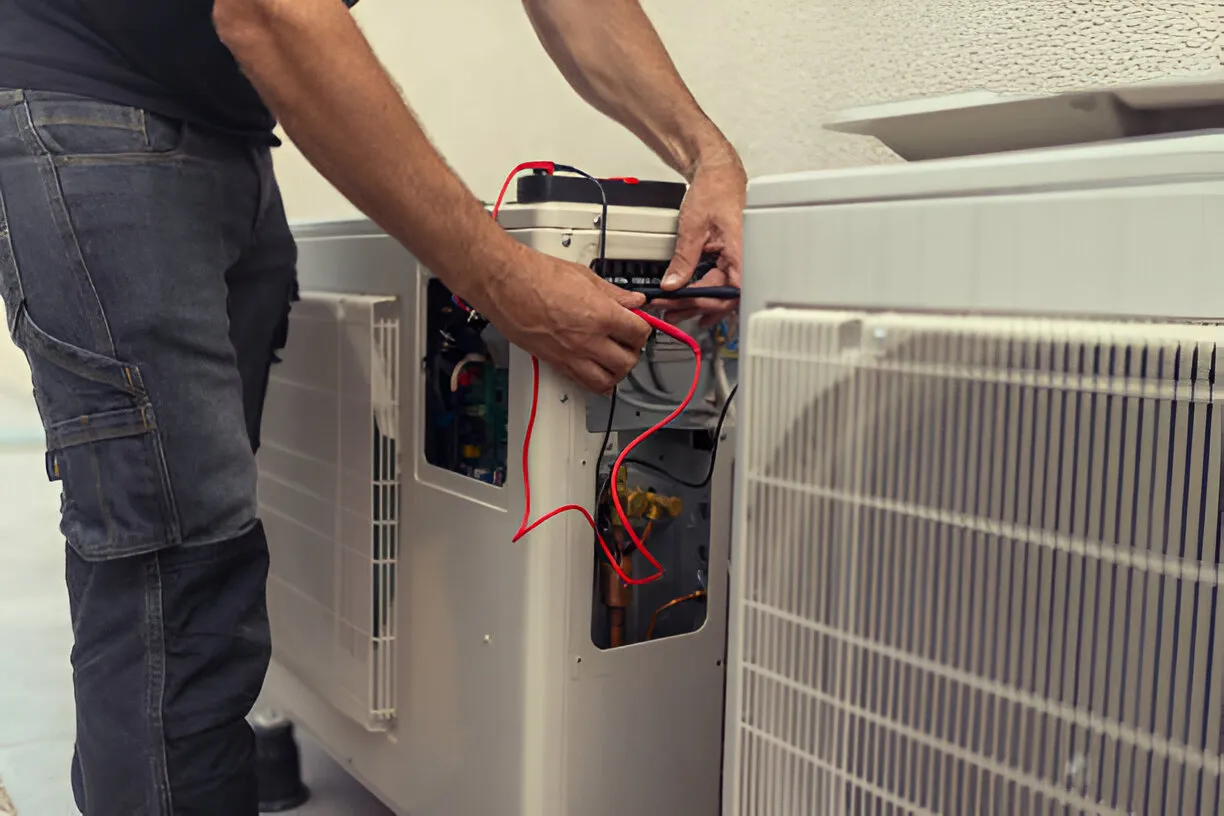
Furnace Service in Altamonte Springs, FL
When winter brings brief cold fronts to Altamonte Springs, FL, a reliable heating system matters even in Central Florida. Whether your home has a gas furnace, an electric furnace, or a heat pump that provides heating during cooler nights, comprehensive furnace service keeps your system safe, efficient, and ready when you need it. This page explains the full scope of furnace services available in Altamonte Springs, common local issues, our diagnostic and repair process, response expectations, and how routine maintenance plans work for area homeowners.
Why furnace service matters in Altamonte Springs, FL
Altamonte Springs experiences humid subtropical climate patterns: long, warm seasons and occasional chilly periods during winter. Even short cold snaps can expose furnace problems that went unnoticed during the rest of the year. Proper furnace service reduces energy waste, prevents unexpected failures on cold nights, and addresses safety concerns—especially for gas appliances. For heat pumps, seasonal inspections ensure smooth transitions between cooling and heating modes in variable spring and fall weather.
Common furnace types and typical issues in Altamonte Springs
- Gas furnaces: ignition and pilot light failures, cracked heat exchangers, dirty burners, carbon monoxide risk if ventilation is compromised.
- Electric furnaces: heating element failures, blown fuses or circuit issues, high utility draw from inefficient operation.
- Heat pump systems (common locally): refrigerant leaks, reversing valve failures, reduced efficiency in heating mode, frozen coils in rare cold snaps.
- Ducted vs ductless systems: duct leakage or blocked registers cause uneven heating; ductless mini-splits require coil and filter attention.
Common furnace issues in Altamonte Springs include:
- Weak or inconsistent heat during cool nights
- Short cycling due to clogged filters, thermostat issues, or improper airflow
- Strange noises from the blower or combustion chamber
- Yellow or flickering pilot light on gas units (a possible combustion problem)
- Frequent tripping of breakers with electric furnaces
- Increased energy bills during heating periods
Comprehensive diagnostic process
A thorough diagnosis identifies the root cause rather than just masking symptoms. Typical diagnostic steps include:
- Visual inspection: check burners, heat exchanger, blower assembly, belts, and ductwork condition
- Safety checks: test for carbon monoxide on gas systems, inspect venting and flue for blockages, and verify proper combustion
- Electrical diagnostics: measure voltages, inspect control board, relays, capacitors, and breakers
- Airflow assessment: evaluate return and supply airflow, measure static pressure, and inspect filters and registers
- Thermostat and controls: verify setpoints, calibration, and communication with the system
- Refrigerant and heat pump checks: measure refrigerant charge and inspect coils for frost or leaks if applicable
Diagnostics conclude with a clear scope of recommended repairs, estimated timelines, and an explanation of safety priorities for your home.
Typical repairs and scope of work
Repairs address both immediate failures and underlying contributors to poor performance:
- Ignition system repair or replacement (pilot light, hot surface igniter)
- Heat exchanger inspection and repair recommendations; replacement when cracks or leaks are detected
- Blower motor service or replacement; belt changes and lubrication where applicable
- Electrical repairs: capacitor replacement, contactor, control board fixes, and wiring corrections
- Refrigerant leak detection and repair for heat pump systems
- Duct sealing and register adjustments to restore balanced airflow
- Thermostat calibration, zone control fixes, and sensor replacements
- Safety item replacement, such as flame sensors, limit switches, and CO safety devices
Each repair includes post-service testing to confirm proper operation and safety compliance.
Installations and replacements
When a repair is not cost-effective or a unit is past its useful life, replacement may be the better option. Professional installations should include:
- Proper sizing based on a Manual J load calculation to avoid oversized or undersized equipment
- Evaluation of existing ductwork and insulation; recommend sealing, insulation upgrades, or duct modification if needed
- Selection of efficient equipment suited to Central Florida needs—considering AFUE ratings for furnaces or HSPF/SEER for heat pumps
- Code compliance and permitting for gas connections, venting, and electrical work
- System testing and thermostat commissioning, plus homeowner orientation on operation and maintenance
Installation scope varies by home size, insulation levels, and whether a heat pump or traditional furnace best fits your home’s needs.
Safety inspections and thermostat calibration
Safety inspections are essential, particularly for gas furnaces. Key safety checks include:
- Carbon monoxide testing around the appliance and living areas
- Flue and vent integrity inspection
- Combustion analysis to confirm proper fuel burning
- Gas line leak detection and pressure checks
- Verification of safety controls like limit switches and flame sensors
Thermostat calibration ensures accurate temperature control, reduces short cycling, and improves comfort consistency. Programmable and smart thermostats often require specific setup to work correctly in heat pump systems and to maximize energy savings.
Emergency furnace service and response times
Emergency furnace service addresses failures during unexpected cold periods. Typical response tiers:
- Emergency response: available for no-heat conditions affecting occupant safety or when carbon monoxide is detected; priority dispatch is provided
- Same-day or next-day repairs: for non-life-safety issues like reduced heating performance or electrical faults
- Scheduled maintenance and upgrades: planned visits for inspections, tune-ups, and installation projects
Actual response times depend on call volume and weather conditions, but emergency protocols focus on safety first and rapid stabilization of the system when hazardous conditions are present.
Maintenance plans and enrollment basics
Maintenance plans are designed to prevent breakdowns and extend equipment life. Common features include:
- Biannual tune-ups timed for spring cooling and fall heating seasons
- Filter reminders or replacement (filter type and frequency vary by system)
- Priority scheduling during high-demand periods
- Discounted diagnostic or repair rates for enrolled members
- Detailed inspection reports and maintenance records for each visitEnrollment typically includes setting up an inspection schedule, documenting system specifics for easier future service, and establishing preferred appointment windows for tune-ups and priority response.
Simple homeowner steps to extend furnace life
- Replace filters regularly; in humid Florida, 30 to 90 days depending on filter type and household conditions
- Keep outdoor units (for heat pumps) clear of debris, vegetation, and standing water
- Ensure vents and registers remain unobstructed and balanced
- Use programmable thermostat settings to reduce unnecessary cycling
- Install working carbon monoxide detectors near sleeping areas if you have a gas appliance
- Watch for early warning signs: unusual noises, persistent odor of gas, yellow pilot light, or frequent cycling
Final notes on benefits of timely furnace service
Regular and thorough furnace service in Altamonte Springs reduces safety risks, lowers energy costs during heating runs, improves comfort during rare cold periods, and prolongs the life of your system—whether it is a gas furnace, electric unit, or heat pump. A proactive approach with seasonal diagnostics, prompt repairs, and a structured maintenance plan provides the most reliable and cost-effective heating performance for Central Florida homes.

Customer Testimonials

Service Areas
