

Furnace Service in Forest City, FL
Furnace service in Forest City, FL delivers timely diagnostics, preventive maintenance, and professional repairs to ensure safe, efficient heating during Florida winters. The guide outlines common issues such as ignition failures, uneven heating, and noisy operation, and explains how a thorough diagnostic covers visual inspections, control checks, combustion analysis, and safety verification. It also details repair options, installation guidance, maintenance tune-ups, safety inspections, emergency service, and ongoing support to extend equipment life and minimize downtime.
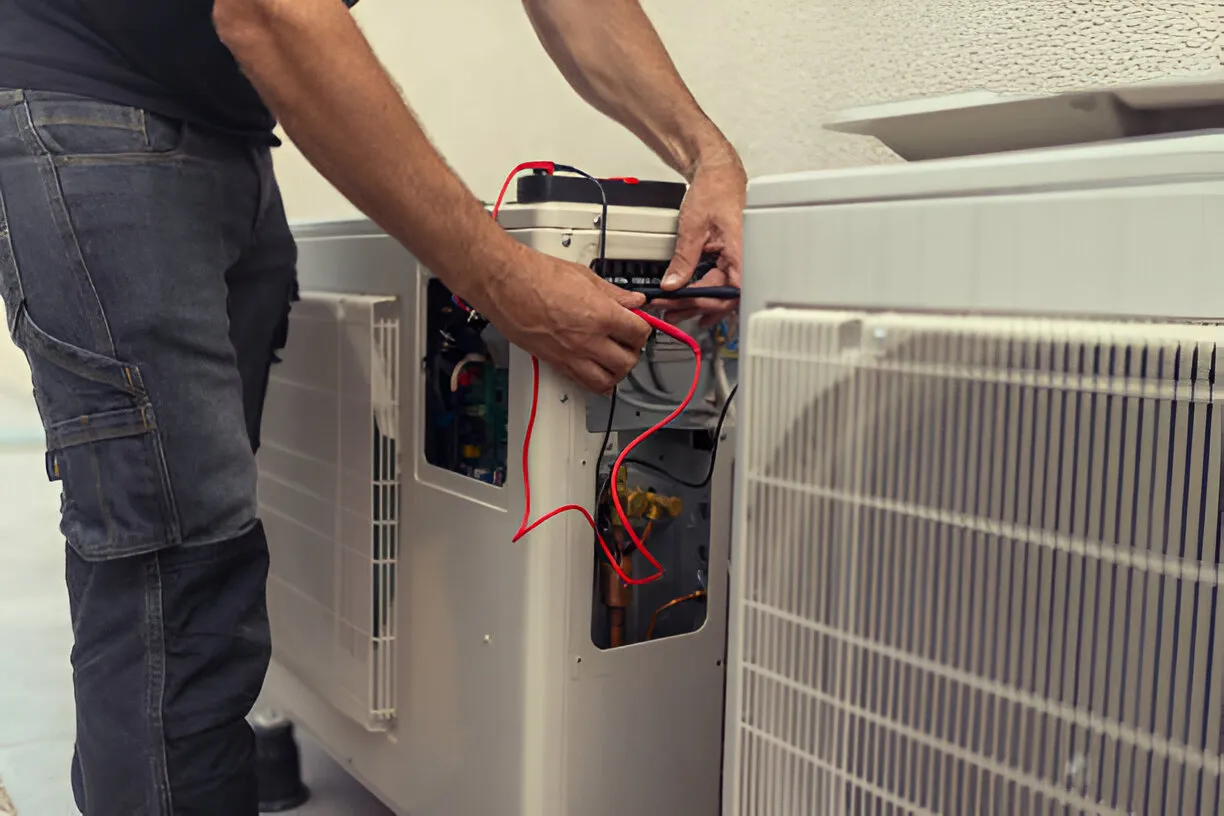
Furnace Service in Forest City, FL
When your furnace is the only source of reliable heat during a cool Central Florida night, fast, knowledgeable furnace service matters. In Forest City, FL homes and businesses, furnaces often sit idle for much of the year and then are pushed into continuous use during cold snaps. That pattern makes timely diagnostics, preventive maintenance, and professional repairs essential to avoid midseason failures, safety risks, and unexpected costs.
Why furnace service matters in Forest City, FL
Forest City experiences mild winters but occasional cold fronts with temperatures that can drop into the 30s and 40s. Many local properties depend on furnaces or furnace components in packaged systems and hybrid setups. Because heating runs are intermittent in this region, problems such as clogged filters, corroded components, or failed ignition systems can go unnoticed until you need heat most. Proper furnace service keeps your system reliable, efficient, and safe when temperatures fall.
Common furnace problems in Forest City homes
Homeowners in Forest City commonly call for service for these issues:
- Furnace will not start or intermittent ignition failure
- Weak or no heat coming from vents
- Uneven heating between rooms or hot and cold spots
- Loud noises: banging, rattling, or squealing during operation
- Short cycling or frequent on/off cycles
- High energy bills during the heating season
- Blower motor or fan failures reducing airflow
- Pilot light problems or electronic ignition issues
- Signs of combustion or venting problems including soot or yellow flames
- Carbon monoxide or gas leak concerns
What a professional diagnostic includes
A complete furnace diagnostic aims to identify root causes quickly and accurately. Typical inspection steps include:
- Visual inspection of the cabinet, burners, heat exchanger, flue, and venting
- Thermostat and control board checks for proper signals and error codes
- Combustion analysis and flame quality assessment where applicable
- Testing ignition systems, pilot assembly, and flame sensors
- Electrical testing for voltage, current draw, and control continuity
- Airflow measurement including filter condition and duct restrictions
- Safety control verification: high limit switch, rollout switches, and pressure switches
- Carbon monoxide testing and combustion leak checks if combustion system is present
A thorough diagnostic results in a clear explanation of findings, recommended repairs or replacement options, and estimated timelines for restoring safe, reliable heating.
Repairs, parts, and common solutions
Technicians in Forest City can handle full-service repairs for most furnace types. Common repair work includes:
- Replacing or cleaning flame sensors and ignition assemblies
- Repairing or replacing blower motors, belts, and fans
- Fixing gas valves, burners, and pilot assemblies when safe and possible
- Replacing control boards, relays, and thermostats
- Sealing or repairing duct leaks that reduce system efficiency
- Correcting venting issues and flue clearance problems
- Addressing safety issues such as failed limit switches or blocked vents
When repairs are not cost-effective due to age or extensive damage, technicians will provide replacement options tailored to your home size and usage pattern.
Furnace installation and replacement guidance
Replacing a furnace in Central Florida requires sizing and equipment choices that reflect local needs. Proper installation steps include:
- Performing Manual J load calculations to size the system accurately
- Evaluating ductwork condition and recommending upgrades or sealing where needed
- Selecting units with appropriate AFUE and compatibility with existing HVAC components
- Considering heat pump alternatives or hybrid systems for energy-efficient seasonal heating
- Proper venting, gas line sizing, and electrical connections per code and safety standards
A correctly installed furnace provides dependable heat, lower operating expenses, and improved indoor comfort.
Preventive maintenance and tune-ups
Annual or semi-annual maintenance is the best way to prevent cold-weather failures. A standard tune-up includes:
- Cleaning burners and ignition components
- Replacing filters and checking filter housings
- Lubricating motors and inspecting belts
- Tightening electrical connections and testing safety controls
- Checking thermostat calibration and airflow distribution
- Inspecting and testing venting and flue integrity
- Documenting findings and recommending parts replacement before failure
Because Forest City systems often sit unused for months, a pre-winter tune-up is especially important to catch degraded components and restore safe operation.
Safety inspections and carbon monoxide testing
Safety inspections are a critical part of furnace service. Key safety checks include:
- Heat exchanger inspection for cracks or corrosion that can allow combustion gases into living spaces
- Combustion gas analysis for efficient and safe burner operation
- Carbon monoxide testing inside the home and near appliance vents
- Gas leak detection and verification of proper vent termination and clearances
If your CO alarm activates or you smell gas, leave the property immediately and have a certified technician inspect the system.
Emergency service availability
Furnace failures can happen at any hour, and emergency response options provide peace of mind during sudden no-heat situations or gas-related concerns. Emergency service procedures generally prioritize:
- Rapid dispatch and a narrow arrival window
- On-site diagnostics and safety triage
- Temporary measures when needed to make the home safe until permanent repairs can be completed
Emergency calls for no heat, strong gas odors, or CO alarm activations are treated with urgency because of the potential health and safety risks.
Service agreements and ongoing support
Service agreements deliver predictable maintenance and priority care. Typical benefits include:
- Scheduled annual maintenance visits to keep systems tuned
- Priority scheduling during peak winter calls
- Discounted diagnostic or repair labor rates for members
- Detailed maintenance records that can preserve warranty coverage and enhance resale value
Agreements are designed to reduce unexpected breakdowns and extend equipment life.
Credentials and technician standards
Look for technicians who are licensed, trained in modern furnace systems, and who follow safety and code requirements. Common credentials include HVAC licensing, NATE certification, and continuing training on combustion analysis and manufacturer-specific equipment. Proper credentials ensure technicians can handle gas appliances, heat exchangers, and venting systems safely.
How a typical service appointment works
Scheduling and service flow often follow a consistent pattern:
- Provide system information: make, model, age, symptoms, and preferred availability
- Receive an appointment window and technician arrival estimate
- Technician performs on-site diagnostic and explains findings in plain language
- Written estimate or repair plan is provided before work begins
- Repairs or installation proceed, followed by safety checks and system testing
- Technician leaves a service report outlining work done and any follow-up recommendations
Preparing a recent service history and noting unusual noises or odors can speed diagnostics.
Local service area and experience
Furnace service in Forest City, FL is part of broader Central Florida HVAC work that addresses local climate patterns and common system types. Technicians experienced in the Orlando metro and surrounding neighborhoods understand how intermittent heating use, humidity, and local building practices affect furnace performance and longevity.
For homeowners and property managers in Forest City, reliable furnace service means safe warmth, efficient operation, and fewer surprises when temperatures fall. Regular inspections, timely repairs, and professional installations are the foundation of a dependable heating system in this part of Florida.

Customer Testimonials

Service Areas
