

Furnace Tune-up in Bay Lake, FL
Furnace Tune-Up in Bay Lake, FL explains why an annual service keeps your heating safe, efficient, and reliable through Florida's variable winters. It covers a thorough checklist—from burner and heat exchanger cleaning to thermostat calibration, safety tests, blower inspection, and filter guidance—and walks readers through the step-by-step tun-up process. The page also identifies common Bay Lake furnace issues and shows how proactive maintenance improves reliability, lowers energy use, prolongs equipment life, and helps protect warranties.
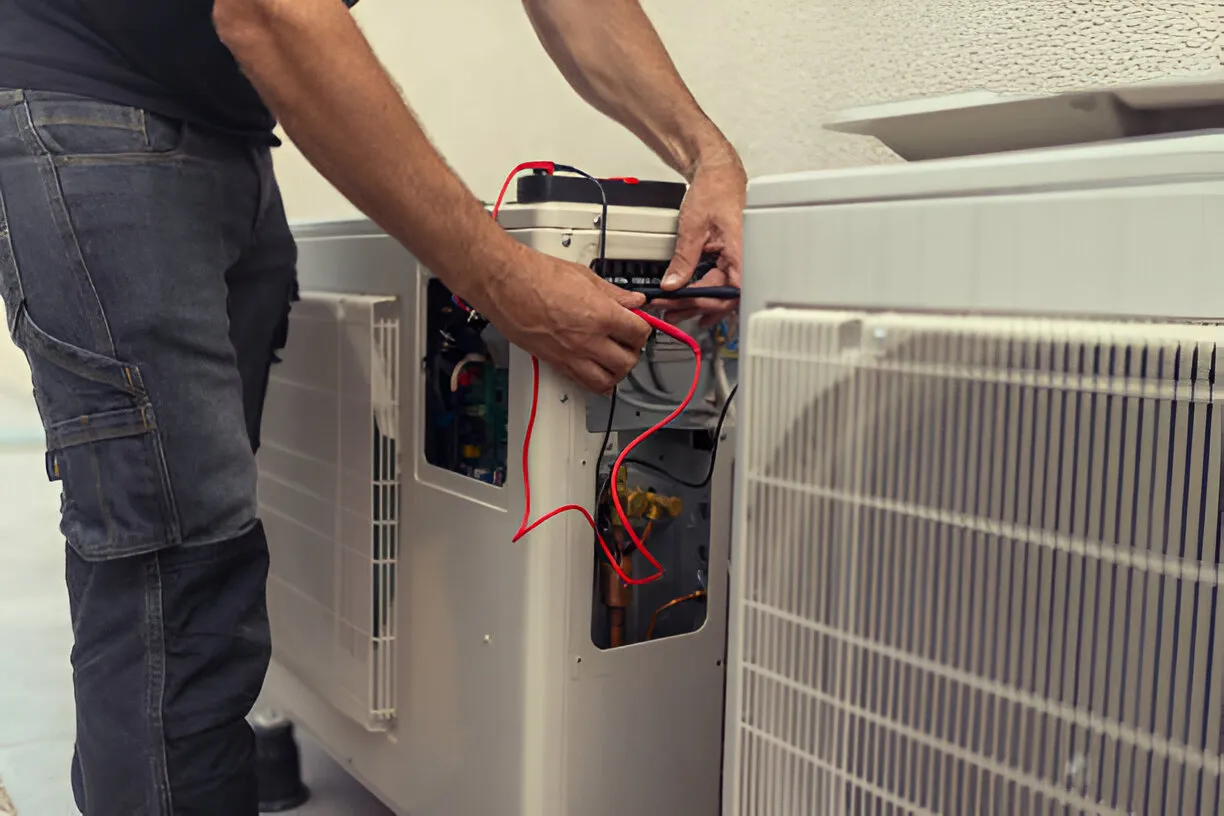
Furnace Tune-up in Bay Lake, FL
Keeping your heating system ready for Bay Lake’s occasional cold snaps and overnight chills requires more than flipping a switch. A professional furnace tune-up in Bay Lake, FL ensures safe, reliable heat when you need it, improves efficiency, and prevents mid-season failures—especially important for local homes that run heating only intermittently. Below is a clear explanation of what a standard furnace tune-up covers, the common issues we see in Bay Lake, and the measurable benefits of an annual service.
Why an annual furnace tune-up matters in Bay Lake, FL
Even though Central Florida winters are short, furnaces and gas-fired equipment still face unique regional stressors:
- Systems sit unused for long stretches and then must perform reliably during sudden cold fronts.
- High humidity and seasonal pollen introduce debris that clogs filters and settles on burners and heat exchangers.
- Vacation homes and rental properties near Bay Lake may experience inconsistent use or longer idle periods, increasing the chance of corrosion or animal nesting.An annual tune-up addresses these realities by catching small problems before they lead to unsafe conditions or costly emergency repairs.
Standard furnace tune-up checklist
A complete furnace tune-up follows a methodical checklist so nothing is missed. Typical items performed and inspected include:
- Inspecting and cleaning burners and heat exchanger
- Remove soot and debris from burners
- Visually and, if accessible, mechanically inspect the heat exchanger for cracks or corrosion that could cause leaks
- Checking and calibrating the thermostat
- Verify thermostat accuracy and setpoint response
- Recommend recalibration or replacement if readings are off
- Testing ignition and safety controls
- Verify pilot or electronic ignition operation
- Test safety switches, flame sensors, and limit controls to ensure safe shutdowns
- Lubricating motors and moving parts
- Lubricate blower motor bearings and other moving components where applicable to reduce friction and noise
- Checking airflow and filters
- Inspect duct openings and blower assembly
- Measure airflow qualitatively and advise on filter type and replacement frequency
- Verifying gas pressure or electrical connections
- For gas furnaces: inspect gas valve operation and measure inlet pressure where required
- For electric components: check wiring, connections, contactors, and capacitors for wear and tightness
- Performing combustion and carbon monoxide (CO) safety tests
- Use a combustion analyzer to check fuel-to-air ratio and CO levels
- Confirm venting and flue are routing combustion gases safely outside
- Inspecting flue, venting, and condensate lines
- Check for obstructions, corrosion, or damage to the venting system
- Verify proper condensate drainage where applicable
- Examining blower assembly and belts
- Clean blower wheel, check belt tension and condition if belt-driven
- Documenting findings and recommended repairs
- Provide a clear list of observations and prioritized items for future attention
What to expect during the tune-up (step-by-step)
- Technician arrival with tools and diagnostic equipment (combustion analyzer, multimeter, CO detector).
- Visual inspection of the furnace cabinet and surrounding area for clearance and signs of leaks or pests.
- System startup and observation of sequence: ignition, burner operation, blower engagement, and thermostat response.
- Cleaning of burners, ignition components, and blower wheel as needed.
- Measurements taken for combustion efficiency and CO; airflow and electrical checks performed.
- Lubrication, filter inspection/replacement recommendation, and reassembly.
- Written summary of results including any safety concerns or recommended repairs.
Common furnace problems in Bay Lake, FL and how tune-ups help
- Dirty burners or clogged filters: Seasonal pollen and household dust accumulate quickly in Central Florida; cleaning restores proper flame and airflow.
- Intermittent ignition or flame sensing issues: Systems that sit idle can develop sensor fouling; tuning prevents nuisance shutdowns when the temperature drops.
- Corrosion or vent blockage: Humidity can accelerate corrosion; checking venting during a tune-up prevents dangerous CO backflow.
- Reduced blower performance: Dust on blower wheels lowers airflow and forces the system to run longer; cleaning and lubrication restore efficiency.
- Electrical wear and loose connections: Heat/cool cycles cause terminals to loosen; tightening and testing reduces the risk of component failure.
Benefits of annual furnace maintenance for Bay Lake homeowners
- Improved reliability: Fewer unexpected breakdowns during cold nights when you need heat most.
- Better safety: Early detection of cracked heat exchangers, venting issues, or elevated CO levels reduces risk.
- Increased efficiency: Clean burners and properly adjusted controls lower fuel consumption and running time.
- Longer equipment life: Routine lubrication and inspection slow wear and prevent premature replacement.
- Lower emergency repair likelihood: Small issues are fixed proactively, avoiding costly same-day emergency service.
- Compliance with warranties: Many manufacturers require annual maintenance to keep warranty coverage valid.
Practical maintenance advice between tune-ups
- Replace or inspect filters every 1–3 months during the heating season, and after heavy pollen events.
- Keep the furnace area clear of storage, debris, and flammable materials.
- Monitor for unusual smells, noises, or cycling behavior—note that odd odors or frequent short cycling are signs to have the unit checked.
- If you have a vacation rental or a part-time residence near Bay Lake, run the system for short periods in the shoulder seasons to keep components from seizing and to allow early detection of issues.
Annual furnace tune-ups in Bay Lake, FL are a small investment compared with the cost and inconvenience of mid-winter failures or safety hazards. A thorough inspection, cleaning, and safety testing ensure your system performs efficiently and safely when seasonal temperatures require reliable indoor warmth.

Customer Testimonials

Service Areas
