

Furnace Tune-up in Sanford, FL
Furnace Tune-up in Sanford, FL
A professional furnace tune-up keeps your home safe, reliable, and energy efficient — even in the mild but humid winters of Sanford, FL. While Central Florida heating needs are less frequent than cooling, a neglected furnace can fail during an unexpected cold snap, operate inefficiently, or create safety risks. This page explains a standard furnace tune-up checklist, common furnace issues in Sanford homes, what a technician inspects and adjusts, and how regular seasonal service protects comfort, efficiency, and safety.
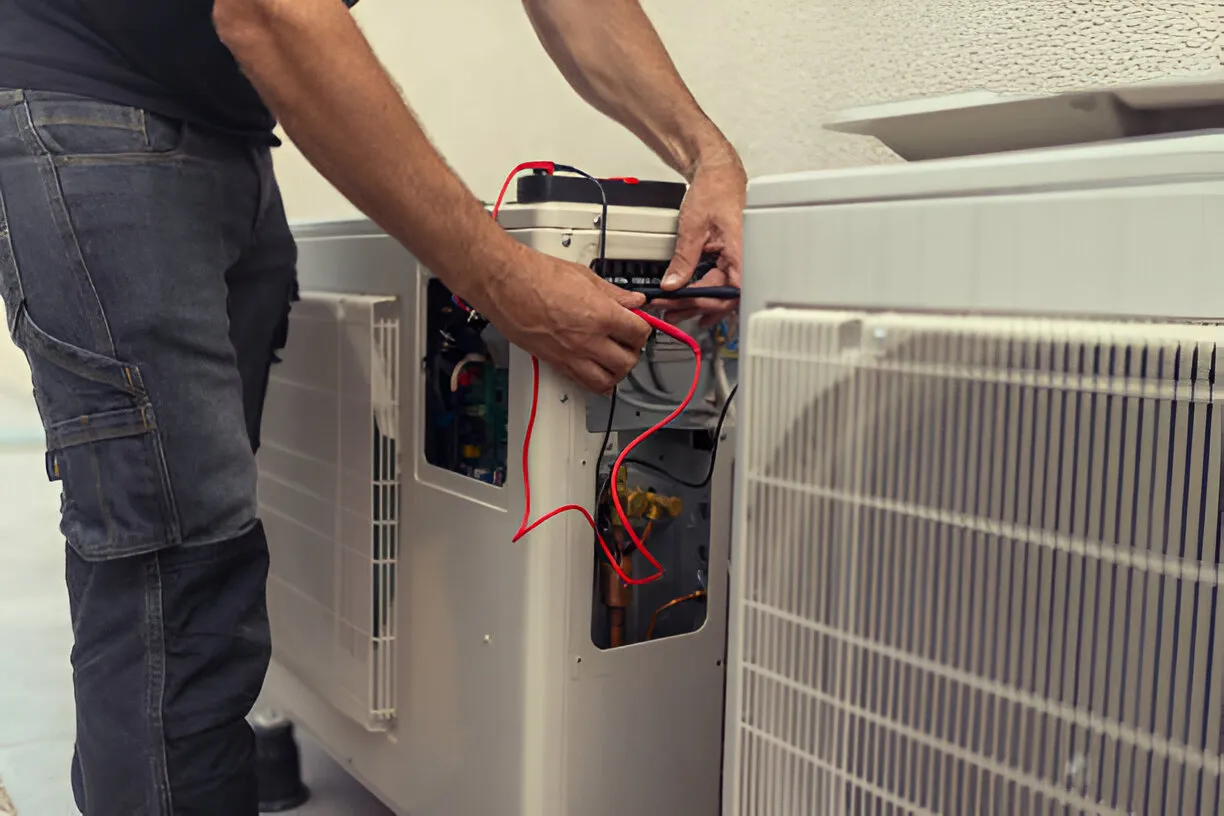
Why a furnace tune-up matters in Sanford, FL
Sanford experiences warm, humid summers and cool, occasionally chilly winters. Furnaces here often sit idle for long stretches, which can allow dust, debris, and humidity-related corrosion to accumulate. Seasonal tune-ups:
- Restore reliable heat for the rare cold days
- Prevent moisture-related problems in burner and venting components
- Improve efficiency to reduce energy use during brief heating cycles
- Detect safety issues like cracked heat exchangers or elevated combustion byproducts
Common furnace issues in Sanford homes
- Dirty burners or flame sensors from long idle periods and airborne dust
- Pilot or electronic ignition problems caused by moisture or corrosion
- Reduced airflow from clogged filters or duct obstructions — humidity encourages dust clumping and microbial growth
- Venting problems and flue corrosion from salt or moisture exposure in coastal-influenced areas
- Intermittent operation due to thermostat drift or loose electrical connections
Standard furnace tune-up checklist
A thorough tune-up follows an organized inspection and service protocol to confirm safe operation and optimize performance. Typical steps include:
- Visual inspection
- Check furnace cabinet, burners, gas line connections, and venting for corrosion, rust, or visible damage
- Inspect heat exchanger for cracks or stress indicators
- Ignition and combustion components
- Clean and inspect burners, pilot assembly, or electronic ignition
- Test ignition reliability and flame quality
- Combustion and safety testing
- Perform combustion analysis using a combustion analyzer and compare readings to safe operating parameters
- Perform carbon monoxide testing and verify safety controls and automatic shutdown functions
- Airflow and blower system
- Clean and inspect blower wheel and motor, check blower amp draw and operation
- Verify proper airflow across the heat exchanger and through the return and supply ducts
- Filter and airflow guidance
- Inspect filter type/condition and provide replacement guidance based on filter size and MERV rating
- Thermostat and controls
- Calibrate thermostat temperature sensing and verify cycle and fan operation
- Inspect wiring and communication with furnace control board
- Duct and vent inspection
- Visually check accessible ducts for disconnections, obstruction, or signs of mold and moisture
- Inspect flue and vent terminations for blockages or corrosion
- Electrical and mechanical checks
- Tighten electrical connections, check control voltages, test limit switches and safety interlocks
- Lubricate moving parts where applicable and check belt condition if present
- Final performance verification
- Measure temperature rise across the heat exchanger and verify expected performance
- Document findings, recommended repairs, and expected efficiency improvements
What technicians look for and why it matters
- Heat exchanger integrity: Cracks allow combustion gases, including carbon monoxide, to mix with household air. Detecting and addressing cracks is a top safety priority.
- Flame quality and burner cleanliness: Poor combustion wastes fuel and increases corrosion risk. Cleaning burners improves efficiency and reduces soot buildup.
- Proper venting: Blocked or corroded vents can trap combustion gases. Ensuring clear, correctly sloped venting protects health and system longevity.
- Airflow balance: Restricted airflow forces the furnace to overwork, shortening component life and increasing energy use. Correcting filters, registers, and ducts restores proper heat distribution.
- Thermostat accuracy: A miscalibrated thermostat causes short cycling or overrun, reducing comfort and raising bills.
Performance optimization tips to improve efficiency and prevent breakdowns
- Replace filters regularly: In Sanford, expect 1-inch filters to need monthly attention during high-use periods; pleated filters may last 3 months depending on household conditions. Consider higher-efficiency filters if indoor air quality or pollen is a concern.
- Seal and insulate ducts: Leaky ducts lose heated air and force longer run times. Sealing leaks and insulating ducts in unconditioned spaces improves system efficiency.
- Use a programmable or smart thermostat: Setbacks during mild Florida winters cut runtime without sacrificing comfort during cold snaps.
- Keep intake and exhaust clear: Outdoor terminations should be free of vegetation, debris, and nests that block airflow.
- Schedule annual inspections: An annual tune-up before the cooler months helps catch issues from summer humidity and prepares the system for winter use.
Recommended tune-up frequency
- Annual professional tune-up: For most Sanford homes, one comprehensive tune-up per year is recommended, ideally in early fall. This timing readies the system for the winter season and addresses humidity-related wear from summer.
- Twice yearly for higher risk scenarios: If your furnace is older than 10 years, you rely on it for medical needs, or you notice intermittent problems, consider a biannual inspection to catch developing issues sooner.
Safety and carbon monoxide testing
A qualified technician uses industry-standard instrumentation to check combustion efficiency and carbon monoxide presence. Any elevated readings or safety failures require immediate attention and may include shutting the furnace down until repairs are made. Homeowners should also maintain functioning CO detectors in living areas and sleeping spaces as an additional layer of protection.
Benefits of seasonal furnace service
- Lower risk of emergency breakdowns during cold periods
- Improved system efficiency and lower utility use during heating cycles
- Extended equipment life and fewer major repairs
- Assurance that safety systems and combustion components are operating correctly
- Clear documentation of system condition for insurance or resale
Final notes for Sanford homeowners
Even with limited heating needs in Sanford, regular furnace tune-ups deliver measurable benefits: safer operation, smoother short-run cycles, and fewer unexpected failures when you do need heat. Proper filter care, duct attention, and annual professional inspections are the most cost-effective steps to protect comfort and safety in your Central Florida home.

Customer Testimonials

Service Areas
