

Heating Tune-up in Oviedo, FL
Heating Tune-up in Oviedo, FL
A professional heating tune-up in Oviedo, FL keeps your home safe, comfortable, and energy-efficient when temperatures dip. Even though Central Florida winters are mild, heating systems—including gas furnaces and heat pumps—still need annual attention. Neglecting routine maintenance can cause higher utility bills, premature component failure, unsafe operation, and reduced comfort during cold snaps. This page explains what a thorough heating tune-up includes, common problems we see in Oviedo homes, the diagnostic process, expected duration, and the practical benefits of regular service.
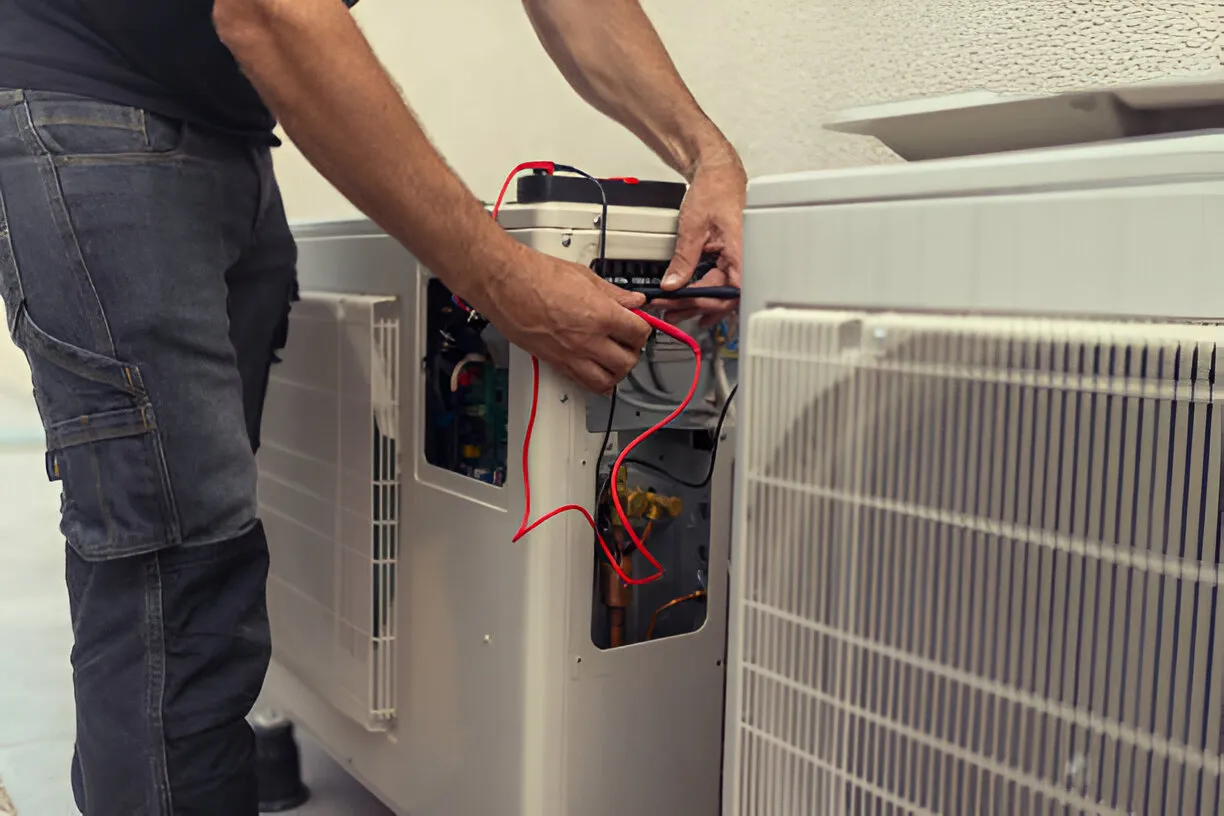
Why a heating tune-up matters in Oviedo, FL
Oviedo’s humid subtropical climate means heating systems run less frequently than in northern states, but that low usage can mask issues and allow dirt, humidity-related corrosion, or pest intrusion to develop unnoticed. Many local homes use heat pumps for both heating and cooling; these systems require checks that differ from traditional gas furnaces. Seasonal pollen, occasional storms, and coastal moisture drifting inland can accelerate filter clogging and corroded components. A tune-up tailored for Oviedo homes addresses these local factors to preserve system reliability and indoor comfort.
Common heating problems in Oviedo homes
- Reduced heating output during cold fronts despite normal runtime
- Rising energy bills in cooler months from loss of efficiency
- Short cycling or frequent on/off cycles in heat pumps
- Strange odors or soot indicating combustion issues with gas furnaces
- Thermostat inconsistencies or poor temperature control
- Noisy operation from worn bearings, belts, or loose panels
Recognizing these issues early through an annual tune-up prevents emergency repairs and extends equipment life.
Heating tune-up checklist (what a complete service covers)
A professional heating tune-up follows a detailed checklist to ensure safety, efficiency, and reliability. Typical items include:
- Safety inspection
- Visual checks for gas leaks, carbon monoxide risks, flue integrity, and clearances around the unit
- Verification of safety switches, limit controls, and emergency shutoffs
- Combustion and efficiency checks (for gas furnaces)
- Burner flame inspection and adjustment for proper color and stability
- Combustion analysis to confirm safe fuel-to-air ratio and exhaust composition
- Venting and flue draft testing to ensure combustion byproducts are safely expelled
- Heat pump-specific checks
- Reversing valve operation verification for heat/cool mode switching
- Defrost cycle function and outdoor unit coil condition assessment
- Refrigerant level evaluation (noninvasive) and performance comparison to expected output
- Burner, filter, and coil cleaning
- Cleaning burners, combustion chambers, and heat exchangers where applicable
- Replacing or cleaning air filters and inspecting coils for dirt that reduces heat transfer
- Electrical and gas connection inspection
- Tightening and inspecting wiring, contactors, capacitors, and relays
- Checking gas valve operation and line condition for furnaces
- Lubrication and moving parts
- Lubricating motors, bearings, and blower components to reduce friction and noise
- Thermostat verification and calibration
- Confirming thermostat calibration and control responsiveness
- Verifying proper wiring and program settings for zoned or smart systems
- System performance test
- Measuring temperature rise across the heat exchanger or heat pump output
- Observing full operational cycles to detect short cycling or unusual behavior
Diagnostic process: what technicians do and why it matters
Technicians begin with a visual inspection, then power up the system to monitor live operation. For gas systems they analyze combustion and venting to rule out carbon monoxide hazards. For heat pumps they inspect outdoor coils and measure airflow and refrigerant performance in a noninvasive way. Electrical checks prevent sudden failures, while lubrication and filter work restore airflow and reduce motor strain. Each step isolates inefficiencies and safety concerns so repairs or adjustments target root causes, not just symptoms.
Typical repairs and solutions identified during tune-ups
A tune-up often uncovers minor issues that should be corrected to avoid bigger problems:
- Replacing clogged air filters or recommending higher-MERV options for allergy control
- Tightening electrical connections or replacing failing capacitors
- Adjusting gas burners or replacing worn ignition components
- Replacing belts, lubricating motors, or securing loose panels to stop noise and wear
- Recalibrating the thermostat or replacing faulty sensors
Many of these fixes are small but significantly improve performance and reliability.
Expected duration and recommended frequency
- Typical duration: 60 to 90 minutes for most single-family home systems. Complex systems, multi-zone setups, or major cleaning needs may take longer.
- Recommended frequency: Annually, ideally scheduled in early fall before the first sustained cool period. For heat pumps that handle both heating and cooling year-round, consider a dual-season check (spring and fall) if your system is older or has had performance issues.
Annual service ensures your system is ready for occasional cold snaps common to Seminole County and prevents winter discomfort.
Benefits of a regular heating tune-up
- Improved performance: Restored airflow and properly adjusted burners/refrigerant result in steadier temperatures and fewer short cycles.
- Lower energy bills: A clean, well-tuned system operates more efficiently and uses less electricity or gas.
- Enhanced safety: Combustion testing, venting checks, and CO risk assessment reduce the chances of dangerous leaks.
- Longer equipment life: Preventive maintenance reduces stress on motors and components, delaying costly replacements.
- Fewer emergency repairs: Early identification of worn parts prevents breakdowns during unexpected cold weather.
Practical maintenance tips for Oviedo homeowners
- Replace or check filters monthly during high-use periods and at least every 90 days otherwise.
- Keep outdoor heat pump units clear of leaves, mulch, and plantings common in Oviedo yards—maintain 2–3 feet of clearance.
- Schedule tune-ups before seasonal transitions: fall for heating readiness and spring for cooling.
- Monitor carbon monoxide detectors and change batteries regularly; a tuned heating system reduces CO risk but detectors are your first line of safety.
A professional heating tune-up in Oviedo, FL provides measurable comfort, safety, and efficiency gains. Annual maintenance tailored to local climate conditions helps your heating equipment operate reliably when you need it most, reduces utility costs, and preserves the lifespan of your system.

Customer Testimonials

Service Areas
