

Mini-Split Ac in Apopka, FL
Mini-Split Ac in Apopka, FL
Mini-split AC systems are an efficient, flexible way to cool and heat individual rooms or whole homes without ductwork. For Apopka, FL homeowners dealing with long, humid summers, attic heat gain, and older homes lacking ducts, a ductless mini-split often delivers faster comfort, lower operating costs, and quieter operation than window units or oversized central systems.
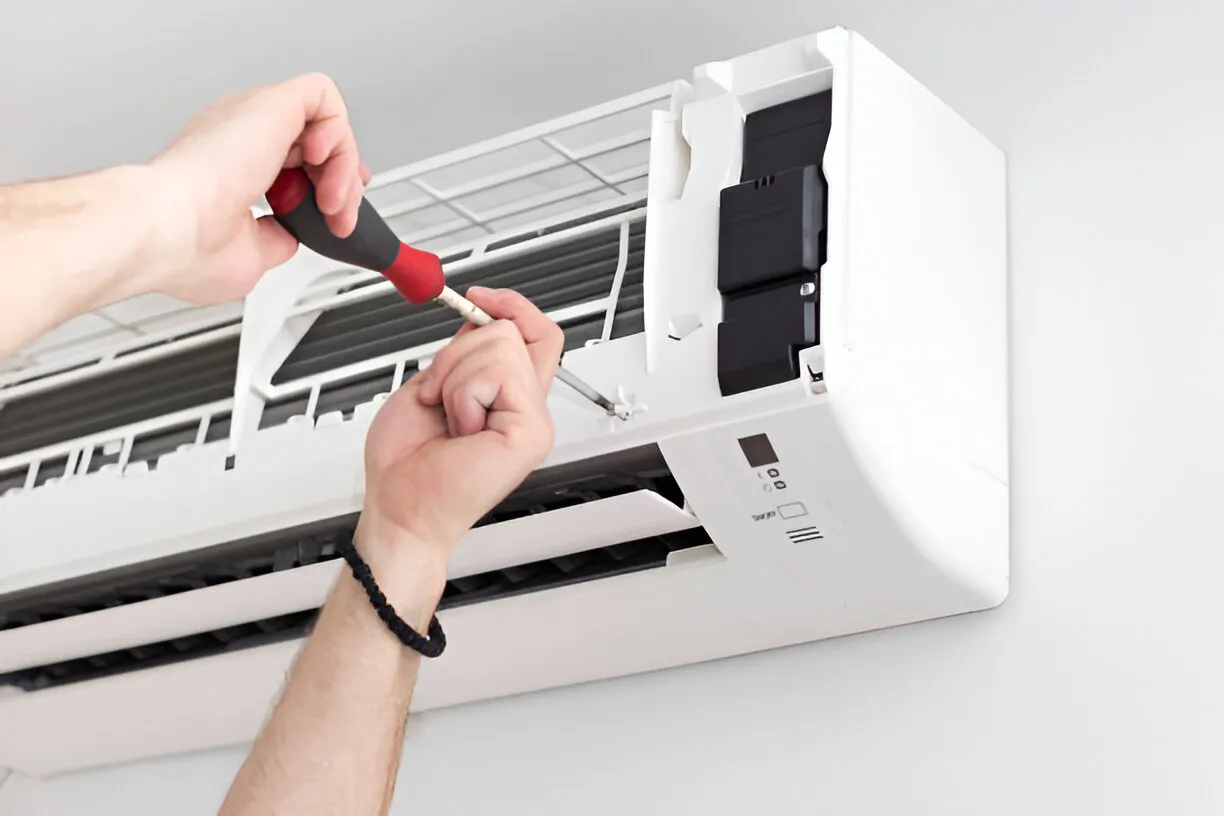
Why choose a mini-split in Apopka, FL
- Zoned comfort: Control temperature per room or zone (bedrooms, additions, sunrooms) to avoid cooling unused areas and reduce energy bills.
- High efficiency: Inverter-driven compressors and high SEER ratings mean lower electricity use during hot, humid Central Florida summers.
- Quiet operation: Indoor heads run quietly, making them suitable for bedrooms, nurseries, and home offices.
- No duct losses: Eliminates energy loss associated with leaky or poorly insulated ducts common in older Apopka houses.
- Flexible installation: Ideal for retrofits, additions, garages converted to living space, and historic homes where adding ducts is impractical.
Typical applications in Apopka homes
- Room additions and sunrooms where extending existing ductwork is costly
- Whole-house ductless systems for homes with no existing central HVAC
- Supplemental cooling for hot rooms, garages, basements, home offices, and accessory dwelling units
- Efficient heating for mild Florida winters using heat pump models
Key technology features
- Inverter compressors: Variable-speed operation matches output to demand, reducing start/stop cycles and saving energy while maintaining steadier temperatures.
- Single-zone vs multi-zone: Single-zone systems serve one indoor head. Multi-zone outdoor units connect to 2–8 indoor heads for customized comfort in multiple rooms.
- Heat pump capability: Many mini-splits heat as well as cool—useful for shoulder seasons or occasional cool nights without running a separate heater.
- Advanced controls: Wi-Fi-enabled thermostats, app controls, and smart schedules let you pre-cool rooms and monitor usage remotely.
- Filtration & dehumidification: Higher-end units include multi-stage filters and dedicated dehumidification modes that help with Central Florida’s humidity.
How to choose the right capacity and brand
- Load calculation matters: A proper Manual J or similar load calculation is essential. As a rule of thumb, expect higher cooling loads in Apopka than in cooler regions because of heat, humidity, and solar gain. Rough estimates often fall between 30–35 BTU per square foot for sun-exposed, poorly insulated spaces; a professional evaluation will refine this.
- Match system type to goals:
- Single-zone 9k–24k BTU heads are common for bedrooms and small rooms.
- Multi-zone 2–4 ton outdoor units can serve multiple living areas with properly sized heads.
- Brand selection considerations:
- Look for reputable manufacturers with proven inverter technology and good parts availability.
- Compare SEER/HSPF ratings, sound ratings (dB), and available features (Wi-Fi, filtration).
- Check typical warranty length on compressors and parts.
- Avoid oversizing: Oversized units short-cycle, reduce dehumidification, and raise energy use—especially problematic in humid climates like Apopka’s.
Typical installation process and timeline
- Site survey and load calculation to determine capacity and optimal head placement.
- Obtain necessary permits (local jurisdictions in Apopka/Orange County may require permits for HVAC electrical work).
- Installation steps:
- Mount indoor heads in locations that distribute air evenly and minimize direct drafts.
- Place outdoor condenser on a concrete pad or anti-vibration bracket above predicted flood levels and away from heavy landscaping.
- Run small refrigerant line-sets, condensate drain, and 240/208V or 120V power depending on model.
- Evacuate lines with vacuum to remove moisture and air, then charge refrigerant if required.
- Commission system, test operation, and show basic user controls.
- Typical timeline:
- Single-zone installations often complete in a single day.
- Multi-zone installs or complex retrofits can take 1–3 days depending on electrical upgrades and line-set routing.
- Electrical and permit notes:
- Many installations require a dedicated circuit and may trigger service panel upgrades in older homes.
- Always follow local code and obtain permits; improper electrical work increases risk and can void warranties.
Installation and maintenance expectations
- What to expect after installation:
- Initial cool-down and dehumidification will take a few hours to a day to stabilize indoor comfort.
- Installer should demonstrate controls, scheduling, and basic filter access.
- Routine homeowner maintenance:
- Clean or replace washable filters every 1–3 months in high-use or pollen seasons.
- Keep indoor heads and outdoor condensers free of dust, leaves, and obstructions.
- Ensure condensate drains flow clear and slope properly to avoid backups.
- Professional maintenance:
- Annual or biannual tune-ups are recommended: check refrigerant charge, inspect electrical connections, clean coils, and verify system efficiency and drainage.
- In Apopka, schedule maintenance before the peak cooling season to ensure reliable summer performance.
Common issues and quick troubleshooting
- Not cooling enough: Check filters, confirm thermostat mode, ensure outdoor unit has airflow, and verify breaker/fuse. If those are fine, the system may be undersized or low on refrigerant.
- Excess humidity: May indicate undersized equipment or restricted airflow. Proper sizing and regular maintenance restore dehumidification performance.
- Frozen indoor coil: Often caused by low airflow from dirty filters or fan problems; turn unit off and call for service after checking filters.
- Noisy outdoor unit: Inspect for debris or loose panels; persistent mechanical noise needs professional diagnosis.
Financing and warranty options
- Manufacturer warranties: Commonly cover compressors and major components for 5–10 years; read terms for parts vs compressor coverage and for labor exclusions.
- Workmanship warranty: Many installers offer a separate workmanship warranty for installation—confirm length and terms before purchase.
- Financing: Homeowners often have access to financing plans through third-party lenders or contractor-arranged options to spread equipment and installation costs over time. Review APR, term length, and any deferred interest conditions carefully.
- Extended protection: Consider extended service plans for regular maintenance and reduced repair costs over several years.
Why a mini-split makes sense in Apopka
Apopka’s hot, humid summers, frequent storm-driven wind and rain, and the prevalence of older or modified homes make mini-splits a practical choice for zoned comfort, energy savings, and minimal disruption during installation. Proper sizing, professional installation, and routine maintenance will maximize efficiency, ensure reliable dehumidification, and extend equipment life—important priorities for Central Florida homeowners who rely on consistent cooling through the longest part of the year.
Summary maintenance tips:
- Clean filters regularly, schedule annual professional tune-ups, keep outdoor unit clear, and address unusual sounds or performance drops promptly to avoid larger repairs.

Customer Testimonials

Service Areas
