

Commercial Ac Company in Oakland, FL
Commercial Ac Company in Oakland, FL
Keeping commercial facilities in Oakland, FL cool, efficient, and code-compliant requires specialized commercial HVAC and refrigeration expertise. Businesses here face hot, humid summers, frequent afternoon storms, and a need to protect temperature-sensitive operations from costly downtime. This page outlines the full suite of commercial air conditioning and refrigeration services available for Oakland businesses, explains common problems and solutions, and clarifies maintenance, emergency response, and energy-upgrade options tailored to the local climate and business needs.
Why commercial HVAC matters in Oakland, FL
Oakland businesses contend with high humidity and prolonged heat for much of the year. That increases load on rooftop units, packaged systems, walk-in freezers, and water chillers. When a refrigeration or AC failure happens, restaurants, grocery stores, medical offices, data closets, and light industrial sites can face immediate product loss, regulatory violations, or uncomfortable work environments. Proactive service and rapid emergency response reduce these risks and protect operating margins.
Common commercial AC and refrigeration issues in Oakland, FL
- Refrigeration temperature instability in walk-in freezers or coolers due to worn compressors, failing thermostats, or refrigerant loss.
- Water chiller performance decline caused by scale buildup, pump failures, or condenser fouling.
- Rooftop and packaged unit breakdowns from corroded coils, bad capacitors, or storm damage.
- High energy consumption from oversized or undersized systems and outdated controls.
- Drain, condensate, and mold problems that reduce efficiency and indoor air quality in humid weather.
- Emergency failures during peak season or severe weather requiring immediate mitigation.
Our commercial service types
- Walk-in freezer and cooler repair and preventative refurbishment, including compressor replacement, thermostat calibration, and evaporator defrost optimization.
- Water chiller repair and service: pump repair, heat exchanger cleaning, refrigerant system diagnostics, and vibration analysis.
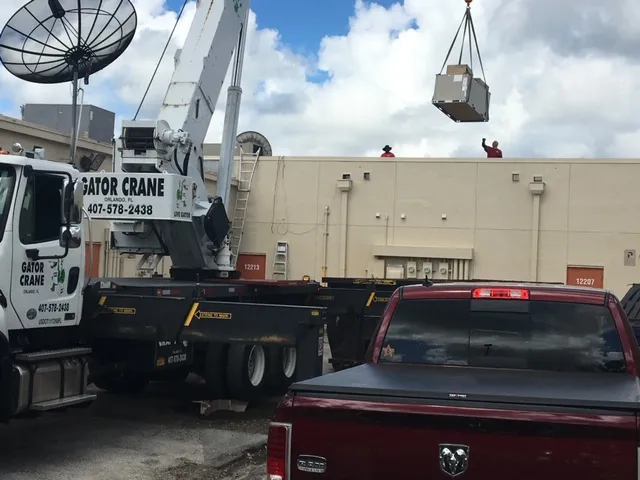
- Rooftop and packaged unit installation and replacement with code-compliant roof curbs, curb flashing, and proper curb-to-unit transitions for local wind and storm loads.
- Preventative maintenance contracts tailored to commercial schedules, with seasonal tune-ups, filter and coil service, refrigerant checks, and documented inspection reports.
- Energy-efficiency upgrades: high-efficiency equipment selection, variable-speed drives, advanced controls, and demand response compatibility.
- Parts sourcing and warranty coordination using OEM components when required to preserve manufacturer warranties.
- Emergency response for critical equipment with prioritized dispatching and stabilization procedures to minimize product loss and downtime.
- Financing options to spread capital expenses for replacements and major upgrades while preserving cash flow.
Diagnostic and repair process — what to expect
- Rapid on-site assessment focusing on system safety, temperature control, and immediate risk to operations.
- Comprehensive diagnostics: refrigerant leak testing, electrical component checks, airflow measurement, and load verification using industry-standard tools.
- Clear repair plan that differentiates emergency stabilization from long-term corrective work and outlines parts required and expected timeframes.
- Execution by technicians trained in commercial refrigeration and HVAC, with attention to regulatory compliance, refrigerant handling, and roof safety.
- Post-service validation with temperature logs, efficiency benchmarks, and documentation for facility managers or inspectors.
Walk-in freezer and water chiller specifics
- Walk-in freezers: focus is on maintaining consistent product temps and efficient defrost cycles. Common corrective services include evaporator repairs, door gasket replacement, control board updates, and refrigerant recovery and recharge. In Oakland’s humid climate, proper door seals and rapid defrost cycles prevent icing and excessive run times.
- Water chillers: priority is condenser cleanliness, proper glycol blends where used, and pump/valve integrity. Scale and biological growth reduce transfer efficiency; scheduled chemical treatment and mechanical cleaning keep chillers operating at designed capacity.
Preventative maintenance contracts that reduce downtime
Commercial PM plans are structured around the system type and site risk. Typical inclusions:
- Twice-yearly or quarterly inspections for critical refrigeration and rooftop units.
- Coil cleaning, motor lubrication, electrical torque checks, and refrigerant level verification.
- Seasonal performance reports and recommended corrective actions with cost estimates.
- Priority scheduling and emergency response tiers for covered sites.
A formal PM contract returns value by extending equipment life, preserving warranties, lowering energy costs, and reducing emergency callouts.
Energy-efficiency upgrades and equipment selection
Selecting the right equipment for an Oakland facility balances upfront cost with long-term operating expense. Key considerations:
- Match capacity and part-load efficiency ratings (IEER or SEER) to the actual building load.
- Consider variable-speed compressors and ECM blower motors for better humidity control and reduced cycling.
- Integrate smart thermostats, building automation, and occupancy controls to shave peak loads and take advantage of local utility programs.
- Replace aging packaged units with modular or multi-stage systems to improve resiliency and maintenance access.
Parts, warranty handling, and compliance
Commercial jobs often require OEM parts to maintain warranties and ensure long-term reliability. Proper documentation and warranty registration are handled during installation and major repairs. Technicians ensure refrigerant handling complies with EPA requirements and that installations meet Florida building code considerations for rooftop equipment and hurricane exposure.
Emergency response for critical equipment
In Oakland, rapid response protects perishable inventory and keeps operations running through storms and peak heat. Emergency procedures include:
- Immediate stabilization to hold temperatures while permanent repairs are arranged.
- Temporary cooling or refrigeration solutions when full repair will be delayed.
- After-action diagnostics to identify root cause and recommend resilience improvements to prevent recurrence.
Local considerations for Oakland, FL facilities
- High humidity increases corrosion and biological growth in coils and drain lines; more frequent coil and drain maintenance is recommended.
- Afternoon storms and hurricane season create a heightened need for roof-mounted unit securement, water intrusion prevention, and rapid post-storm inspections.
- Regional utility programs and rebate opportunities may exist for energy-efficient upgrades; proper equipment selection can maximize incentive eligibility and reduce payback time.
Maintenance tips for facility managers
- Monitor and log temperatures daily for critical equipment to detect trends before failures.
- Keep door seals, gaskets, and access panels in good condition to limit load on compressors.
- Schedule seasonal tune-ups before peak summer months and before heavy cooling demands start.
- Maintain clear roof access and document curb flashings and unit mountings to speed post-storm inspections.
Commercial air conditioning and refrigeration service in Oakland, FL requires a combination of fast emergency response, detailed diagnostics, and planned maintenance tuned to local climate challenges. Proper equipment selection, routine service contracts, and timely repairs preserve product integrity, reduce energy costs, and keep businesses operating reliably through Florida heat and storms.

Customer Testimonials

Service Areas
